

|
Quantity
|
Out of stock
|
||
|
|
|||
|
|
|||
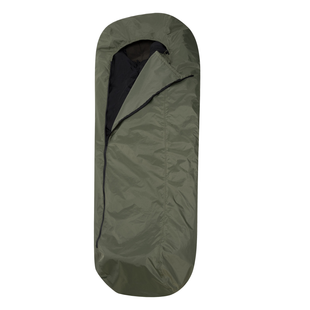
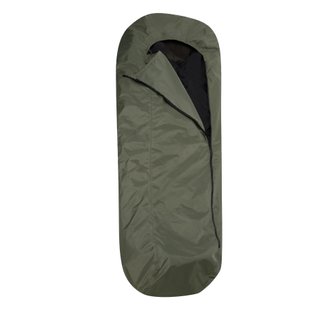
Bivy Bags — Minimalist Shelter for Emergency Bivouacs and Harsh Mountain Conditions
In the mountains, weather can change faster than you can reach a tent or mountain shelter. That is why a bivy bag (also called a bivy sack, bivouac bag, or military bivy bag) is one of the most important pieces of equipment for mountaineers, winter hikers, backpackers, and anyone operating in remote outdoor environments.
Unlike a tent, a bivy bag is not designed for comfortable camping. Its purpose is to provide rapid protection for both the user and the sleeping bag from rain, snow, wind, and cold. It allows you to establish an emergency bivouac when pitching a tent is impossible, unsafe, or too time-consuming.
For mountaineers, trekkers, rescue teams, and military personnel, a bivy sack can be the piece of gear that provides the critical extra warmth and weather protection needed in extreme conditions.
What Is a Bivy Bag?
A bivy bag is a protective shell that encloses both the sleeping bag and the person inside it.
Its main purpose is to create an additional barrier between the sleeping bag and the external environment, protecting against:
-
rain;
-
wet snow;
-
wind;
-
condensation;
-
water splashes;
-
contact with wet ground.
For this reason, a bivy bag is often used as a lightweight alternative to a tent or as a backup emergency shelter.
Why Use a Bivy Bag?
The primary purpose of a bivouac bag is to provide protection during an emergency bivouac.
It becomes particularly valuable when:
-
weather deteriorates unexpectedly;
-
there is no opportunity to pitch a tent;
-
a route takes longer than planned;
-
an unplanned overnight stay becomes necessary;
-
you need to wait out a storm;
-
preserving body heat during a forced stop becomes critical.
On many alpine and winter routes, carrying a bivy sack is considered standard emergency equipment.
Where Are Bivy Bags Used?
A bivy bag is used across a wide range of outdoor activities.
It is commonly carried for:
-
mountaineering;
-
high-altitude expeditions;
-
winter hiking;
-
mountain trekking;
-
backpacking;
-
expeditions;
-
bikepacking;
-
military gear;
-
tactical gear;
-
wilderness survival situations.
A military bivy bag is especially popular among soldiers, rescue personnel, and tactical teams because of its compact size and rapid deployment.
Advantages of a Bivy Bag
One of the main reasons bivy bags are so popular is their simplicity and portability.
Key advantages include:
-
very low weight;
-
compact packed size;
-
fast deployment;
-
protection from rain and snow;
-
additional wind protection;
-
increased insulation efficiency of a sleeping bag;
-
the ability to sleep without a tent;
-
highly effective emergency shelter capability.
For many alpine routes, a bivy bag is the most practical emergency shelter that can easily be carried in a backpack.
Disadvantages of a Bivy Bag
Despite its many advantages, a bivouac bag is not a complete replacement for a tent.
Its main limitations include:
-
very limited interior space;
-
lower overall comfort;
-
difficulty changing clothes inside;
-
potential condensation buildup;
-
little or no space for gear storage;
-
reduced comfort during extended use.
For this reason, a bivy bag is best viewed as an emergency shelter or a minimalist overnight solution.
Materials Used in Bivy Bags
The material determines weather protection, breathability, durability, and weight.
The most common materials are membrane fabrics, Oxford fabric, and ultralight silicone-coated fabrics.
Membrane Bivy Bags
Membrane-based bivy bags offer the best balance between weather protection and moisture management.
Advantages:
-
waterproof protection;
-
wind resistance;
-
breathability;
-
reduced condensation buildup;
-
greater comfort during extended use.
Membrane bivy bags are the preferred choice for high-altitude expeditions, winter hiking, and mountaineering.
Oxford Fabric
Oxford fabric is commonly used for the base or high-wear areas of a bivy bag.
Advantages:
-
excellent abrasion resistance;
-
high durability;
-
strength against rough surfaces;
-
long service life.
It is particularly useful when the bivy bag is frequently placed on rocks, ice, or coarse terrain.
Ultralight Silicone-Coated Fabrics
These fabrics are used in lightweight and fast-packing bivy designs.
Advantages:
-
extremely low weight;
-
very compact packed size;
-
excellent water resistance.
Disadvantages:
-
lower abrasion resistance;
-
reduced breathability;
-
greater need for careful handling.
They are ideal for ultralight backpacking and as emergency backup equipment.
How to Choose a Bivy Bag
Before buying a bivy bag, consider the conditions in which it will be used.
The most important factors are:
-
season;
-
expected temperatures;
-
level of weather protection;
-
breathability;
-
weight;
-
packed size;
-
fabric durability;
-
compatibility with your sleeping bag.
For Winter Hiking
For winter hiking, membrane bivy bags with durable reinforced bases and strong wind protection are usually the best choice.
For Mountaineering
For high-altitude expeditions and technical alpine routes, prioritize:
-
minimal weight;
-
compact packed size;
-
compatibility with warm sleeping bags;
-
reliable protection from snow and wind.
For Military and Tactical Use
A military bivy bag should provide:
-
durable fabric construction;
-
high waterproof performance;
-
low-visibility colors;
-
reliable hardware;
-
long-term durability in field conditions.
How to Use a Bivy Bag Correctly
For maximum effectiveness, a bivy bag should normally be used together with a sleeping bag.
It is also recommended to:
-
choose the flattest available ground;
-
avoid areas where water may collect;
-
provide at least minimal ventilation whenever possible;
-
use a sleeping pad for insulation from the ground;
-
dry the bivy bag after use.
Even the best membrane fabrics cannot eliminate condensation completely, so proper ventilation remains important.
How to Choose the Right Bivy Bag for Your Adventure
For lightweight summer trips, a compact silicone-coated bivy bag is often sufficient.
For winter hiking, mountaineering, and high-altitude expeditions, a membrane bivy sack with a durable reinforced base and good breathability is usually the most effective option.
For military gear, tactical gear, and survival applications, maximum durability, weather protection, and reliability should be the priority.
A well-designed bivy bag, bivy sack, bivouac bag, or military bivy bag provides dependable shelter, excellent weather protection, and the ability to establish an emergency bivouac even in the most demanding conditions. That is why it remains one of the most important pieces of equipment for mountaineering, winter hiking, backcountry travel, and emergency preparedness.