


|
Quantity
|
Out of stock
|
||
|
|
|||
|
|
|||
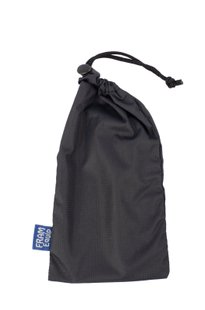
Protective Cases — Gear Protection and Convenient Transportation
During hiking, trekking, and travel, outdoor equipment is constantly exposed to moisture, dust, dirt, rocks, and other gear inside your backpack. That is why a protective case is one of the simplest and most effective ways to protect your equipment from damage and wear.
Protective cases not only help extend the lifespan of your gear but also improve organization and make transportation much more convenient. A sleeping pad stays cleaner when carried externally, tent poles no longer rub against the fabric of your backpack, and camera equipment remains protected from impacts and moisture.
Modern outdoor equipment includes specialized gear protection cases, each designed for a specific type of equipment.
Why Do You Need Protective Cases?
The main purpose of a protective case is to protect gear during storage and transportation.
Using protective cases helps:
-
protect equipment from dirt and dust;
-
reduce the risk of mechanical damage;
-
prevent abrasion;
-
organize gear inside your backpack;
-
make packing more efficient;
-
simplify transportation of individual equipment components.
This is especially important during trekking, where equipment is carried for long distances and used in a wide range of weather conditions.
Materials Used in Protective Cases
The material determines durability, weight, and the level of protection.
Most gear protection cases are made from nylon, Oxford, or Cordura®.
Nylon
Nylon is lightweight, compact, and quick-drying.
Its advantages include:
-
low weight;
-
compact pack size;
-
good abrasion resistance;
-
moisture resistance.
It is commonly used for lightweight transport cases and general-purpose storage solutions.
Oxford
Oxford fabric offers an excellent balance between weight and durability.
Its advantages include:
-
long service life;
-
abrasion resistance;
-
easy maintenance;
-
durable construction.
It is a great choice for protective cases that are used regularly during travel.
Cordura®
Cordura® is designed for demanding outdoor conditions.
Its advantages include:
-
exceptional abrasion resistance;
-
tear resistance;
-
long-term durability;
-
excellent protection for outdoor equipment.
Cordura® is often used for cases that come into contact with metal components or are subjected to intensive outdoor use.
Sleeping Pad Cases
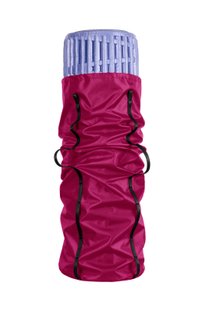
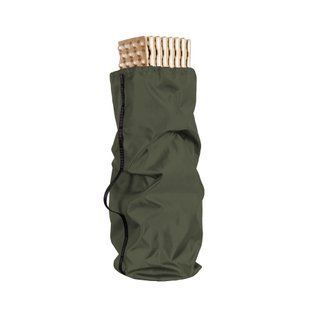
A sleeping pad case protects a foam or inflatable sleeping pad from dirt, abrasion, and mechanical damage during transportation.
It is particularly useful when the pad is carried externally on a backpack.
The main benefits include:
-
protection from dust and dirt;
-
reduced surface wear;
-
easier transportation;
-
more organized packing.
Lightweight transport cases are commonly used for foam sleeping pads, while inflatable pads may benefit from more durable fabrics.
Tent Pole Cases
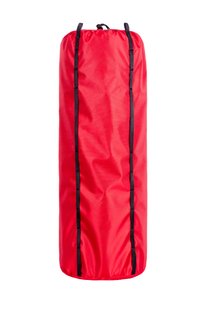
Tent poles have rigid edges that can damage backpack fabric or other equipment.
A tent pole case helps:
-
protect your backpack from abrasion;
-
keep all pole sections together;
-
improve gear organization;
-
make transporting your tent easier.
It is especially useful during long hiking trips and frequent packing and unpacking of a tent.
Tent Stake Cases
Tent stakes are one of the smallest but most troublesome parts of a tent system.
They can:
-
damage backpack fabric;
-
scratch other gear;
-
become lost among other equipment.
A tent stake case keeps the entire set organized and prevents metal components from damaging other items in your backpack.
Trekking Pole Cases
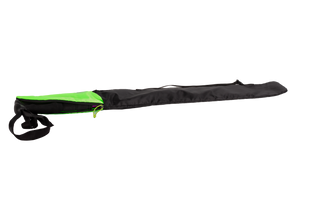
During transportation, trekking poles are often attached to the outside of a backpack or carried separately.
A trekking pole case provides:
-
protection for the pole tips;
-
protection for other gear from scratches;
-
easier carrying;
-
more compact storage.
Such a case is particularly useful during air travel, train travel, or when transporting gear in a vehicle.
Camera and Lens Cases
Camera equipment is one of the most sensitive pieces of outdoor gear.
A camera case or lens case helps protect equipment from:
-
impacts;
-
scratches;
-
dust;
-
moisture;
-
condensation.
For hiking and trekking, it is especially important that the case combines good impact protection with minimal weight.
Quick access to the camera is also worth considering if you frequently photograph while moving.
What Should You Look for When Choosing a Protective Case?
Before buying a protective case, determine exactly what equipment you need to protect.
The most important selection criteria are:
-
size;
-
material;
-
weight;
-
water resistance;
-
closure system;
-
level of protection.
Size
The case should fit the equipment properly.
A case that is too large wastes space, while one that is too small may place unnecessary stress on the fabric and seams.
Weight
For trekking and hiking, lightweight transport cases are usually the best option because they add very little weight to your gear.
Water Resistance
For equipment frequently exposed to rain or snow, choose cases made from water-resistant materials or fabrics with protective coatings.
Closure System
The most common closure systems include:
-
drawcord closures;
-
zippers;
-
roll-top closures;
-
flap closures with buckles.
Choose the closure type according to how frequently you need access to the equipment.
How to Organize Gear with Protective Cases
The most effective approach is to use separate gear protection cases for different categories of equipment.
For example:
-
one case for a sleeping pad;
-
one for tent poles;
-
one for tent stakes;
-
one for trekking poles;
-
one for camera and lens equipment.
This system speeds up packing, makes gear easier to find, and helps maintain organization even in a compact hiking backpack.
How to Choose the Right Protective Case
For short travel trips, lightweight transport cases are usually sufficient.
For trekking, low weight and abrasion resistance are often the highest priorities.
For mountaineering and demanding outdoor use, choose durable materials and reliable protection against moisture and mechanical damage.
A well-designed protective case helps protect your equipment, simplifies transportation, and makes packing significantly more efficient. That is why sleeping pad cases, tent pole cases, tent stake cases, trekking pole cases, and camera and lens cases remain some of the most useful accessories for hiking, trekking, and any type of outdoor travel.