








|
Quantity
|
Out of stock
|
||
|
|
|||
|
|
|||
FRAM Hiking Jackets — Protection from Wind, Rain, and Cold in the Mountains
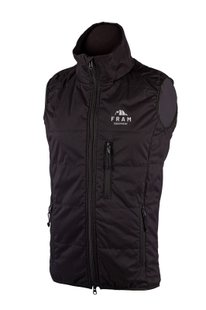
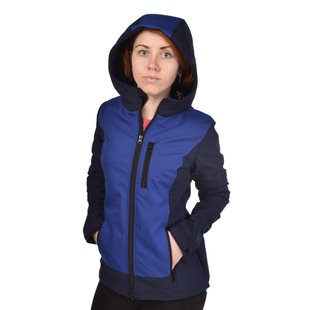
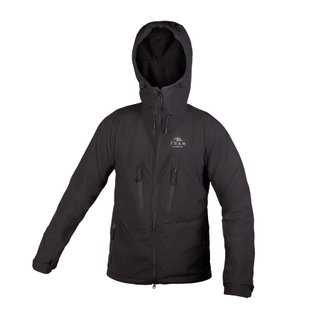
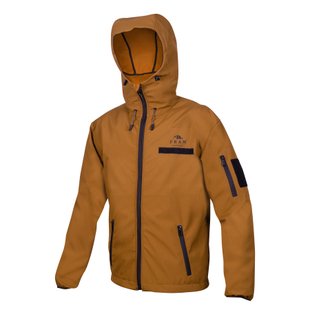
FRAM hiking jackets are designed for a wide range of conditions — from casual walks and travel to trekking and mountain hiking in challenging weather. The collection includes Softshell jackets, waterproof membrane jackets, lightweight windbreakers, and insulated jackets, each serving a different purpose within an outdoor layering system.
There is virtually no single jacket that performs equally well in every type of weather and at every activity level. Strong winds require effective wind protection, prolonged precipitation calls for reliable rain protection, active movement demands good breathability, while cold conditions and rest stops require insulation.
That's why choosing the right jacket for hiking should start with the conditions in which you plan to use it.
Softshell Jackets — for Active Movement and Changing Weather
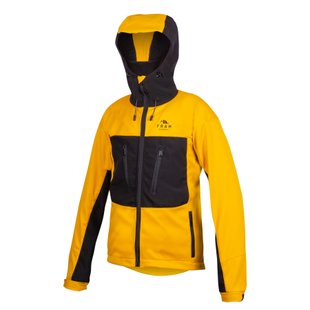
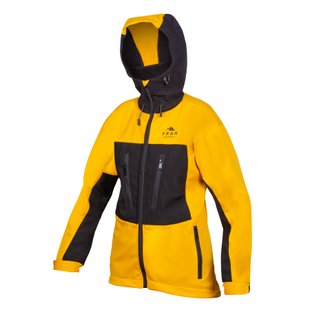
Softshell is one of the most versatile options for trekking, hiking, and outdoor activities in cool weather.
The main advantage of Softshell is its balance between protection and comfort during movement. A Softshell jacket helps protect against wind and light precipitation while remaining comfortable during physical activity.
Softshell works particularly well in changing weather when full waterproof membrane protection isn't necessary most of the time.
An outdoor jacket like this can be used for trekking, mountain hikes, travel, active walks, and other outdoor activities. Depending on the temperature, you can combine it with thermal underwear, a fleece, or another insulating layer.
Membrane Jackets — When You Need Serious Weather Protection
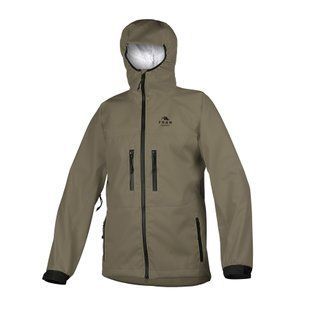
When the forecast includes rain, wet snow, or strong winds, a membrane jacket becomes an essential outer layer.
Its primary purpose is to provide rain protection and wind protection as the outer shell of your clothing system. Waterproof breathable membranes are designed to keep precipitation out while allowing some of the water vapor generated during physical activity to escape.
This is particularly important during mountain hiking. Weather conditions in the mountains can change quickly: sunshine gives way to rain, winds become stronger on exposed terrain, and temperatures drop as you gain altitude.
In these conditions, a membrane trekking jacket acts as the protective barrier between you and the weather.
It's important to remember that a membrane jacket is primarily designed for protection rather than insulation. The necessary level of warmth is better regulated with layers underneath — thermal underwear, fleece, or insulated clothing.
Windbreakers — Lightweight Protection from the Wind
When heavy rain isn't expected and wind is the main concern, there's no need to carry or wear a heavier protective shell all the time. That's where windbreakers come in.
These lightweight and compact jackets for outdoor activities are primarily designed to provide wind protection.
A windbreaker is useful on exposed ridges, during running and cycling, on fast-paced hikes, summer trekking routes, and while traveling. It's easy to keep in your backpack as an additional layer and put on when the temperature drops or the wind picks up.
Low weight and compact pack size are especially valuable when every extra gram of gear matters.
Insulated Jackets — When Staying Warm Is the Priority
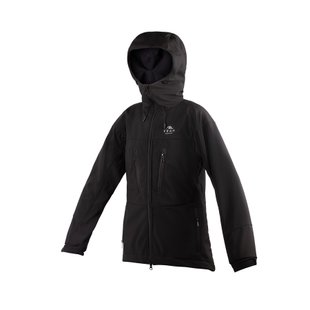
An insulated jacket has a different purpose: helping your body retain heat in low temperatures.
It's particularly useful during winter hiking, high-altitude travel, cold evenings at camp, and rest stops when you stop moving and your body begins to lose heat more quickly.
During an intense ascent, a warm jacket may be unnecessary or even too hot. But as soon as you stop moving, the situation changes. That's why an insulating layer often stays in your backpack during active sections of the route and comes out during breaks.
In cold conditions, an insulated jacket can be combined with other layers to build a clothing system suited to the temperature, wind, and intensity of your activity.
How to Choose a Hiking Jacket
To choose the right hiking jacket, start not with a specific model but with the conditions in which you expect it to perform.
1. Define its main purpose.
If you need protection from prolonged or heavy rain, choose a membrane jacket. If wind is the main concern and significant precipitation is unlikely, a windbreaker may be enough. For active movement in cool and changeable weather, consider Softshell. For low temperatures and long stops, choose an insulated jacket.
2. Consider your activity level.
The more actively you move, the more heat and moisture your body produces. A jacket that feels comfortable during a relaxed walk may become too warm on a steep climb with a backpack. For active trekking, the right balance between weather protection and breathability is particularly important.
3. Think about possible precipitation.
For a short summer hike with a stable forecast, a windbreaker or Softshell may be sufficient. On a multi-day route where weather conditions are difficult to predict, reliable rain protection becomes much more important.
4. Consider the wind.
Even at relatively comfortable temperatures, strong wind can make conditions feel significantly colder. On exposed ridges, mountain passes, and at higher altitudes, effective wind protection can be one of the most important factors when choosing a jacket.
5. Think in layers.
A single jacket doesn't need to perform every function. For mountain hiking, a layering system is usually more effective: a base layer helps manage moisture, an insulating layer retains warmth, and the outer layer protects against wind and precipitation. Combining these layers allows you to adapt more easily to changes in temperature, weather, and activity level.
6. Consider weight and packability.
For everyday travel, a few hundred extra grams may not matter much. On a long trek, however, you have to carry everything yourself. That's why the weight of the jacket and how compactly it packs become much more important.
Which Jacket Should You Choose for Different Conditions?
For trekking and active movement in cool weather — choose a Softshell jacket.
For mountain hiking, prolonged rain, and challenging weather — choose a membrane jacket.
For summer hiking, running, travel, and situations where lightweight wind protection is the main priority — choose a windbreaker.
For winter trips, low temperatures, camp life, and long rest stops — choose an insulated jacket.
For routes with complex and constantly changing conditions, the best solution is often not one universal jacket but a properly planned layering system.
FRAM Hiking Jackets for Trekking, Travel, and Outdoor Activities
FRAM outdoor jackets are designed for different scenarios — from everyday travel and outdoor activities to long-distance trekking and mountain adventures.
Softshell provides a practical balance between protection and comfort during movement. A membrane jacket creates an outer barrier against rain and wind. A lightweight windbreaker provides protection on exposed terrain without unnecessary weight, while an insulated jacket helps retain warmth in cold conditions.
When choosing jackets for hiking, consider more than just the season. Think about the expected weather, activity level, duration of your route, and the other layers you'll be wearing. This approach allows you to build a clothing system that keeps you comfortable while moving, resting, and continuing your journey as conditions change.