




|
Quantity
|
Out of stock
|
||
|
|
|||
|
|
|||
FRAM Rain Protection Clothing — for Hiking and Travel
Rain protection clothing is an essential part of your outdoor gear for hiking, travel, camping, and other outdoor activities. Even when the forecast promises sunshine, mountain weather can change quickly, and prolonged rain can turn wet clothing from a simple comfort issue into a serious problem.
There are several ways to protect yourself from precipitation. The most common options are a rain poncho, membrane jackets, and membrane pants. They serve a similar purpose but differ significantly in construction, weight, ventilation, and the conditions in which they work best.
The right choice depends on where you're going, how long you expect to spend in the rain, how actively you'll be moving, and whether you need to protect only yourself or your backpack as well.
Rain Poncho — Simple and Versatile Protection
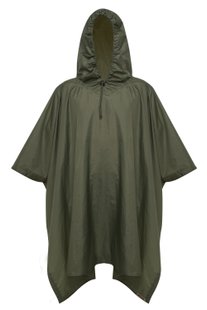
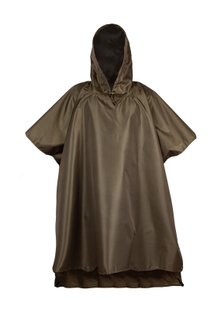
A rain poncho is one of the simplest ways to protect yourself from precipitation on the trail. Its main advantage is the large coverage area and the ability to quickly put it on over your hiking clothes.
Depending on its design, a waterproof poncho can cover not only your body but also part of your equipment or backpack. This may eliminate the need for a separate backpack rain cover or provide an additional layer of protection for your gear.
The loose fit also provides natural ventilation. Air can circulate much more freely underneath a poncho than inside a tightly closed rain jacket.
However, ponchos have their limitations. In strong winds, the large surface area of the fabric can make movement more difficult, while on technical terrain a loose-fitting poncho is generally less convenient than a fitted jacket and pants.
That's why a hiking poncho is particularly practical for hiking trails, less technical routes, camping, and travel, where simplicity, low weight, and the ability to quickly protect yourself from rain are priorities.
When Should You Choose a Rain Poncho?
A poncho is a good choice when you need a versatile rain layer that can be quickly pulled from your backpack and worn over your regular hiking clothes.
It's particularly practical for backpacking, especially when the design provides enough coverage to protect both you and your pack.
When choosing a rain poncho for hiking, consider its length, overall coverage, packed size, and how comfortably you can move while wearing it over a backpack.
For routes with strong winds, technical terrain, mountaineering, or prolonged high-intensity movement, a combination of a membrane jacket and waterproof pants is often the more practical solution.
Membrane Jackets — Weather Protection and Freedom of Movement
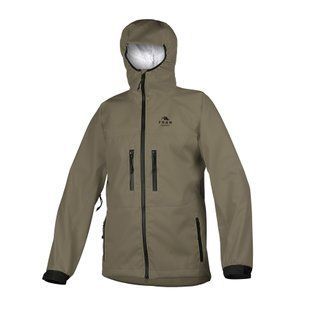
Membrane jackets create a protective outer layer designed to keep rain and wind out while allowing water vapor to escape from inside.
This breathability is one of the main advantages of membrane clothing during physical activity.
Your body produces heat and moisture even in cold weather. If the outer layer is completely waterproof but provides almost no moisture vapor transfer, moisture can accumulate inside. As a result, your clothing may become wet not from the rain but from perspiration.
A waterproof membrane jacket helps balance protection from external moisture with the ability to release water vapor generated by your body.
These jackets are particularly practical for trekking, mountain hiking, mountaineering, running, and other activities where freedom of movement and temperature regulation are important.
Membrane Pants — When Your Legs Need Protection Too
Even the best waterproof jacket doesn't provide complete protection when heavy rain continues for several hours.
For full-body weather protection, membrane pants create a waterproof outer layer for your legs.
They are typically worn over regular trekking pants when rain or wet snow begins.
Low weight and packability are particularly important for hiking rain pants because they may spend most of the trip inside your backpack.
Zippers or sufficiently wide leg openings can also be useful, allowing you to put your waterproof pants on over hiking boots without completely removing your footwear.
A combination of a membrane jacket and membrane pants provides significantly better freedom of movement on technical terrain than a poncho, making it a popular solution for mountain routes.
Membrane Fabrics
Membrane fabrics are designed to combine two important properties: preventing external water from penetrating the garment while allowing water vapor generated by your body to move outward.
This makes them particularly suitable for clothing used during active movement.
When choosing this type of rain protection clothing, consider both waterproof performance and breathability. The highest waterproof rating doesn't automatically mean maximum comfort during intense physical activity.
The construction of the garment also matters. Seam sealing, zippers, ventilation, hood design, and adjustment systems all influence how effectively the finished product performs in wet conditions.
Silicone-Coated Fabrics
Another way to create a waterproof material is to use silicone-coated fabric.
Silicone treatment helps prevent water from penetrating the textile. These fabrics can be very lightweight and packable, which is particularly valuable for equipment that spends most of the trip inside your backpack.
Silicone-coated fabrics work well for products where waterproof protection, low weight, and compactness are more important than breathability.
For this reason, they can be particularly suitable for hiking ponchos and other lightweight rain protection equipment.
PU-Coated Fabrics
Another common option is fabric with a PU coating, or polyurethane coating.
The PU layer creates a waterproof barrier and is widely used in outdoor equipment and rain protection products.
Unlike a functional breathable membrane, a standard continuous PU coating is not primarily designed for efficient moisture vapor transfer. As a result, ventilation provided by the construction of the garment becomes particularly important.
At the same time, PU-coated fabrics can be a practical solution for ponchos and other products where reliable waterproof protection, simple construction, and reasonable weight are the main priorities.
Membrane, Silicone-Coated Fabric, or PU?
There is no single material that is universally better than all the others. Each works best in different situations.
Membrane fabrics are a good choice for active movement when you need both protection from precipitation and effective moisture vapor transfer.
Silicone-coated fabrics work well when low weight, packability, and waterproof protection are the main priorities.
PU-coated fabrics are practical for products that require a reliable waterproof barrier but where fabric breathability isn't the primary requirement.
For this reason, comparing these materials only by asking which one "protects better from rain" doesn't tell the whole story. The construction of the product and the conditions in which you'll use it are equally important.
Rain Poncho or Membrane Jacket and Pants?
For easy hiking trails, travel, and camping, a rain poncho can be the simplest solution. It's quick to put on, and its large coverage area can protect a significant portion of your body and, depending on the design, your backpack.
For trekking over technical terrain, strong winds, and prolonged active movement, a combination of a membrane jacket and membrane pants may be more practical.
This system follows your body movements more closely, avoids large areas of loose fabric in strong winds, and allows you to use the upper and lower protective layers independently.
However, a jacket-and-pants system consists of two separate garments and will generally require more space than an ultralight poncho.
How to Choose Rain Protection Clothing
Start by considering how and where you plan to use it.
1. Consider how long you'll be exposed to rain.
For brief summer showers and easy trails, a poncho may be sufficient. For multi-day mountain trips with a high probability of prolonged rain, a complete membrane system is worth considering.
2. Consider your activity level.
The more intensely you move, the more important breathability and additional ventilation become.
3. Think about wind exposure.
On exposed ridges and in alpine environments, the loose construction of a poncho may be less convenient. A jacket and pants fit closer to the body and provide better control over your movements in demanding conditions.
4. Decide whether your backpack also needs protection.
A large hiking poncho may cover both you and your backpack. When using a membrane jacket and pants, your pack may require separate rain protection.
5. Consider weight and packed size.
Rain gear often spends most of the day inside your backpack, so both weight and packability matter.
6. Consider the difficulty of the route.
For technical terrain, mountaineering, and routes where maximum freedom of movement is important, a membrane jacket and pants are usually more practical than a loose poncho.
How to Care for Rain Protection Clothing
Proper care depends on the material, so always check the instructions for the specific garment before cleaning it.
Membrane clothing should be washed periodically because dirt, perspiration, and other contaminants can reduce its functional performance. Use detergents suitable for technical membrane fabrics and avoid fabric softeners and aggressive bleach.
The durable water-repellent treatment on the outer fabric can also become less effective over time and may need to be restored according to the manufacturer's instructions.
Ponchos made from silicone-coated or PU-coated fabrics generally don't require the same care as membrane clothing. After use, remove dirt and allow the poncho to dry completely before long-term storage.
Avoid aggressive detergents, excessive heat, and cleaning methods that could damage the waterproof coating.
Always follow the manufacturer's recommendations for washing, drying, and storage, as proper care can vary depending on the exact material and construction.
FRAM Rain Protection Clothing for Hiking and Travel
FRAM rain protection clothing allows you to choose a weather protection system according to your route and type of activity.
A waterproof rain poncho is a simple and versatile solution for hiking, travel, and camping. It can be put on quickly and provides a large area of protection from precipitation.
Membrane jackets are better suited to active movement, technical terrain, and situations where breathability is just as important as waterproof protection.
Membrane pants complement the jacket to create a complete outer shell system for prolonged rain, wet snow, and challenging weather conditions.
When choosing rain protection clothing, don't focus only on how well the material keeps water out. Breathability, ventilation, freedom of movement, weight, packability, and the conditions of your route are equally important. The right rain gear allows you to keep moving even when the weather forecast decides to change the plan.