








|
Quantity
|
Out of stock
|
||
|
|
|||
|
|
|||
Clothing by Material — Technical Fabrics for Outdoor Use
In outdoor clothing, the choice of material directly determines how a garment performs in real-world conditions. Weight, durability, breathability, drying speed, stretch, thermal insulation, and weather protection all depend primarily on the properties of the fabric.
This is why synthetic materials are widely used in clothing for hiking, mountaineering, running, and other outdoor activities. They can be extremely lightweight while remaining durable, dry quickly, wick moisture, provide the necessary stretch, or protect against wind and precipitation.
At the same time, there is no single "best fabric" for outdoor use. A material that performs perfectly in a trail running T-shirt cannot serve the same purpose as a waterproof membrane in a rain jacket or fleece in an insulating layer.
That is why it is important to choose not simply the most technical material, but a fabric whose properties match the specific purpose of the garment.
Lightweight and Durable — How FRAM Chooses Materials
The FRAM motto is "Making Your Way Lighter." For us, this is more than a metaphor — it is one of the principles behind the way we design our clothing and equipment.
On a hike, a mountain ascent, or a long-distance route, every extra gram has to be carried. That is why we pay particular attention to finding lightweight materials and carefully analyze and test them before using them in our products.
But minimum weight is not a goal in itself.
Reducing weight too far can affect strength, durability, and the lifespan of a garment. That is why, when selecting materials, we always consider the conditions in which a particular product will be used and the loads it will have to withstand.
For us, the key is finding the right balance between weight and durability: a material should be as light as reasonably possible for its intended purpose while remaining strong and durable enough for real outdoor use.
Finding this balance is one of the core principles behind FRAM's approach to materials.
COOLMAX® Clothing
COOLMAX® is a functional material particularly well suited to clothing designed for high-intensity physical activity.
Its key advantage is effective moisture management. The material helps move moisture away from the surface of the body and promotes faster evaporation.
This is especially important for running, trekking, and other active pursuits. During intense movement, clothing quickly becomes damp from perspiration, while fabric that stays wet for a long time becomes heavier and less comfortable.
COOLMAX® combines moisture-wicking performance, quick drying, breathability, and low weight, making it a practical material for next-to-skin layers.
COOLMAX® is used for:
-
functional T-shirts;
-
long sleeves;
-
other lightweight clothing for running, hiking, and outdoor activities.
This type of clothing is particularly suitable for trail running, summer trekking, training, and travel, where quick drying and comfort during active movement are especially important.
Fleece Clothing
Fleece is a synthetic material primarily designed to provide thermal insulation.
It helps trap warm air generated by the body, creating an insulating layer while remaining much more practical for active use than many traditional warm materials.
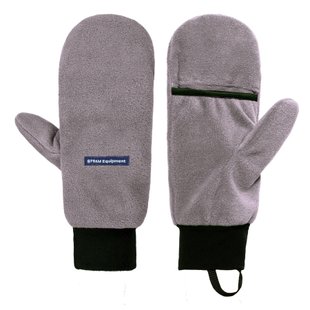
Fleece is relatively lightweight, breathable, and quick-drying. These properties have made it one of the fundamental materials used in outdoor layering systems.
Fleece clothing is most commonly worn as a midlayer — over thermal underwear, a T-shirt, or a long sleeve and underneath a windbreaker, Softshell jacket, or membrane shell.
Fleece is used for:
-
fleece tops and jackets;
-
insulating midlayers;
-
accessories for cold weather.
The density and structure of fleece fabrics can vary considerably. Lightweight fleece is better suited to active movement and moderate insulation, while heavier fleece provides more warmth in colder conditions.
Power Stretch Clothing
Power Stretch is a functional stretch material that combines insulation with freedom of movement.
Its main advantage is its ability to stretch effectively and return to its original shape. This allows garments to fit close to the body without restricting movement.
This is particularly important for mountaineering, trekking, winter activities, and other outdoor pursuits where clothing needs to move together with the body during high steps, climbing, active arm movements, and travel over challenging terrain.
Power Stretch also helps retain warmth and manage moisture, making it suitable as a functional base or midlayer.
Power Stretch is used for:
-
thermal underwear;
-
insulating long sleeves and tops;
-
stretch pants and tights;
-
other clothing for active movement in cool and cold conditions.
It is a material designed for situations where you need a balance of warmth, stretch, moisture management, and maximum freedom of movement.
Softshell Clothing
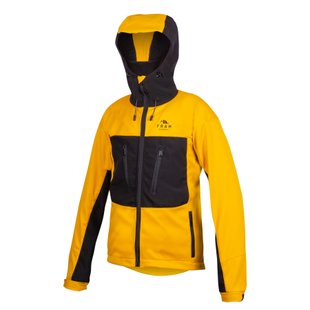
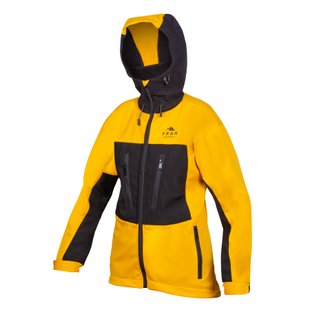
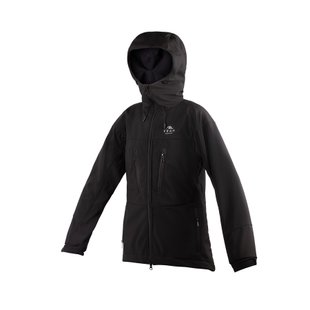
Softshell refers to a group of functional materials designed primarily for active movement in windy and moderately challenging weather conditions.
The main idea behind Softshell is to achieve a balance of wind protection, breathability, stretch, and resistance to light precipitation.
Unlike a fully waterproof membrane shell, Softshell usually provides better breathability and allows excess heat to escape more efficiently during intense activity.
The stretch of the material also makes it possible to create clothing that doesn't restrict movement during trekking, mountaineering, ski touring, and other outdoor activities.
Softshell is used for:
-
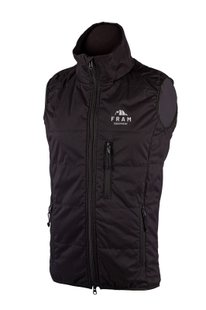
hiking and urban jackets;
-
trekking pants;
-
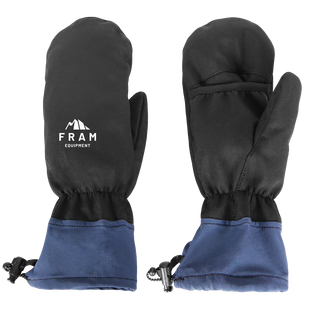
gloves;
-
other clothing designed for active movement.
The characteristics of Softshell fabrics can vary significantly. Some prioritize maximum breathability for high-intensity activity, while others offer greater protection from wind and moisture.
When choosing Softshell clothing, it is therefore important to consider what balance between weather protection and breathability is most appropriate for your activity.
Membrane Clothing
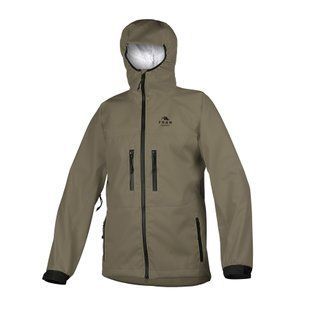
Membrane fabrics are used when the primary purpose of the outer layer is protection from challenging weather conditions.
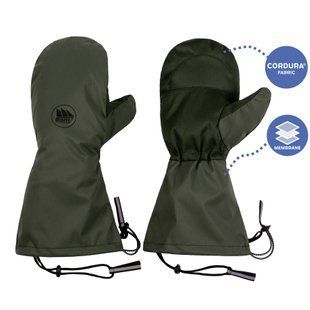
A membrane is designed to prevent external moisture from penetrating while allowing water vapor generated by the body to escape. This combination of waterproof performance and breathability is what distinguishes a functional membrane fabric from an ordinary waterproof material.
Membrane clothing is particularly important during prolonged rain, wet snow, strong winds, and mountain trips where weather conditions can change very quickly.
Membrane fabrics are used for:
-
waterproof jackets;
-
membrane pants;
-
clothing for mountaineering and mountain hiking;
-
lightweight membrane jackets for running and other high-intensity activities.
When choosing membrane clothing, waterproof performance should not be the only consideration. For active movement, breathability, ventilation, weight, and packability are equally important.
The higher the intensity of the activity, the more important the ability of the entire clothing system to manage excess heat and moisture becomes.
How to Choose the Right Material for Outdoor Clothing
A material should be selected not according to which one seems "more technical," but according to the tasks a particular garment needs to perform.
For high-intensity activity and warm weather, low weight, breathability, moisture management, and quick drying are essential. Functional materials such as COOLMAX® work well for these conditions.
For insulation, you need materials that help retain warmth without adding unnecessary weight. Fleece and Power Stretch are practical options.
For active movement in cool and windy weather, Softshell can be an effective choice, combining weather protection with good breathability.
For rain, wet snow, and challenging weather, a membrane outer layer with an appropriate level of waterproof protection is required.
In real outdoor conditions, these materials often complement rather than compete with one another. COOLMAX® can serve as a next-to-skin layer, fleece or Power Stretch can provide insulation, Softshell can protect against wind during active movement, and a membrane jacket can provide protection from precipitation and severe weather.
That is why, when developing FRAM clothing, we evaluate a material not separately from the product but in the context of its intended use. Low weight, strength, durability, protection, and comfort need to work together so that your gear truly helps make your way lighter.