






|
Quantity
|
Out of stock
|
||
|
|
|||
|
|
|||
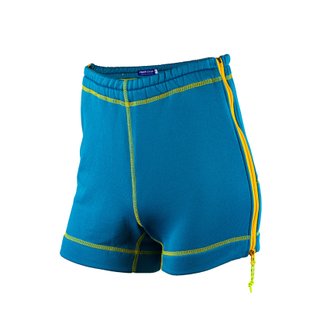
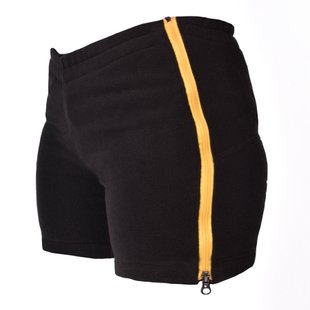
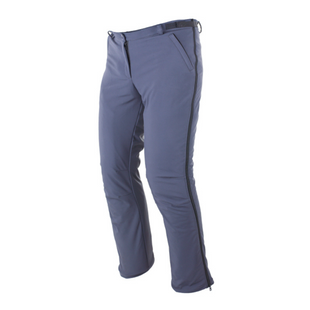
FRAM Hiking Pants — for Trekking, Mountain Hiking, and Travel
Hiking pants are an essential part of your outdoor clothing system for trekking, mountain hiking, travel, and outdoor activities. They should provide freedom of movement, protect you from changing conditions, and remain lightweight and comfortable throughout long days on the trail.
Mountain conditions vary dramatically, so one pair of hiking trousers cannot perform equally well in summer heat, winter cold, and prolonged rain. Lightweight trekking pants are ideal for warm-weather adventures, while denser models are better suited to cooler temperatures. Waterproof membrane pants provide protection from rain and wet snow, while insulated overpants offer additional warmth for winter and high-altitude conditions.
Choosing the right outdoor pants therefore depends not only on the season, but also on your activity, the expected weather, and the terrain you'll encounter.
Trekking Pants — The Foundation of Your Outdoor Clothing System
For most hiking trips, trekking pants are the primary choice.
Unlike everyday trousers, technical hiking pants are designed specifically for long days on uneven terrain. They should never restrict your stride while climbing steep slopes, stepping over rocks, or moving confidently across technical trails.
That's why modern trekking pants emphasize stretch fabric, an ergonomic fit, and excellent freedom of movement.
At the same time, the material must remain durable enough to withstand repeated contact with rocks, branches, vegetation, and other challenges commonly found on mountain trails.
Lightweight Summer Trekking Pants
In warm weather, low weight, breathability, and fast drying become the highest priorities.
Lightweight hiking trousers should never feel overly warm during continuous movement. Breathable fabric helps regulate body temperature more effectively, while quick-drying fabric becomes particularly valuable after rain, walking through wet vegetation, or washing your clothing during an extended trip.
These pants are ideal for summer trekking, travel, camping, and a wide range of outdoor activities.
Lightweight construction should not mean sacrificing durability. Well-designed summer hiking pants strike the right balance between low weight and long-term reliability, making them suitable for regular use on demanding trails.
Durable Trekking Pants for Cool and Cold Conditions
As temperatures decrease, the requirements for trekking pants change.
Denser fabrics provide greater protection from cold air and offer additional thermal comfort in cooler conditions.
These models are well suited to autumn trekking, cool mountain weather, and high-altitude routes.
However, winter hiking pants designed for active movement do not necessarily need to provide maximum insulation. During steep ascents your body produces significant heat, so excessive insulation may lead to overheating and moisture buildup.
Depending on the temperature, trekking pants can easily be combined with thermal underwear, allowing you to adjust insulation according to both weather conditions and activity level.
Membrane Pants — Protection from Rain and Wet Snow
When the weather deteriorates and the water resistance of standard trekking fabrics is no longer sufficient, a dedicated waterproof layer becomes essential.
Membrane pants are designed to protect your legs from rain, wet snow, and strong winds. They are typically worn over your regular trekking pants whenever weather conditions demand additional protection.
During mountain hiking, membrane pants are especially valuable on multi-day trips where weather can change unexpectedly. They may remain packed away for most of the journey but quickly become indispensable once prolonged rainfall begins.
Because they're often carried rather than worn, low weight and packability are just as important as waterproof performance.
Insulated Overpants — For Extreme Cold and High Altitudes
Winter hiking, mountaineering, high-altitude expeditions, and extended exposure to cold weather require an additional layer of insulation.
Insulated hiking pants help reduce heat loss in low temperatures, especially during rest breaks, while spending time at camp, or in exposed alpine environments where wind chill dramatically increases the sensation of cold.
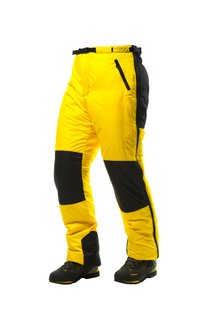
One of the most practical solutions is insulated overpants.
Their full-length side openings allow you to quickly put them on or remove them over your regular trousers without taking off your boots. This feature is especially valuable in the mountains, where changing clothes in snow, wind, or freezing temperatures can be both uncomfortable and inefficient.
Insulated overpants can be pulled from your backpack during a break, before a long belay, or whenever temperatures suddenly drop, then removed just as quickly before resuming strenuous movement.
Why Do You Need Insulated Pants During Winter Hiking?
During an active climb, your legs generate a great deal of heat, making additional insulation unnecessary—or even uncomfortable.
Everything changes once you stop moving.
During rest breaks, while preparing equipment, belaying a climbing partner, or spending time in camp, your activity level drops and your body begins losing heat much more rapidly.
That's when insulated hiking pants become an important additional insulating layer that can easily be added to your clothing system.
For winter hiking and high-altitude expeditions, this extra reserve of warmth can make a significant difference in both comfort and safety.
Lightweight or Durable?
Choosing hiking pants often means balancing these two qualities.
Ultralight fabrics reduce pack weight and provide greater comfort in warm conditions but may offer less resistance to abrasion on rough terrain.
Heavier stretch fabrics generally perform better against rocks, vegetation, and climbing equipment, although they also increase weight and warmth.
The best hiking pants are therefore not necessarily the lightest or the toughest. The ideal choice depends on the specific demands of your route.
For summer travel and moderate trekking, prioritizing low weight often makes sense. For mountaineering, demanding mountain hiking, and technical terrain, durability becomes significantly more important.
How to Choose Hiking Pants
Choosing the right hiking pants means evaluating the complete combination of features rather than focusing on a single specification.
1. Consider the season and temperature.
Summer hiking requires lightweight, breathable fabrics. Cooler seasons call for denser trekking pants. For winter hiking, you may combine trekking pants with thermal underwear and insulated overpants.
2. Think about your activity level.
The more intensely you move, the more important breathability and heat management become. Excessively insulated pants may feel uncomfortable even in cold weather.
3. Prioritize freedom of movement.
For trekking, climbing, and technical terrain, your pants should never restrict your stride or knee movement. Stretch fabric and an ergonomic cut greatly improve overall comfort.
4. Look for quick-drying performance.
Quick-drying fabric is particularly valuable during multi-day adventures where clothing may repeatedly become wet from rain, dew, or perspiration.
5. Consider weather protection.
Decide whether standard trekking pants will be sufficient or whether your trip requires a dedicated waterproof membrane layer.
6. Evaluate durability.
Very rugged fabrics may be unnecessary for easy walking trails. Rocky terrain, mountaineering, and technical routes demand greater abrasion resistance.
7. Consider weight and packability.
These characteristics are especially important for waterproof and insulated pants, which often spend much of the day packed inside your backpack.
8. Build a complete layering system.
In cold weather, ensure your pants work comfortably with thermal underwear underneath and waterproof or insulated layers over the top when necessary.
Which Hiking Pants Should You Choose?
For summer trekking, travel, and outdoor activities, choose lightweight pants made from breathable, stretch, and quick-drying fabrics.
For autumn conditions, cool weather, and active winter movement, choose denser trekking pants that can be combined with thermal underwear.
For rain, wet snow, and severe weather, choose waterproof membrane pants as your outer protective layer.
For extreme cold, winter camps, mountaineering, and high-altitude routes, choose insulated hiking pants, particularly insulated overpants that can be quickly worn over your regular clothing.
FRAM Hiking Pants for Trekking and Mountain Adventures
FRAM hiking pants are designed for a wide range of outdoor activities, from summer trekking and travel to demanding mountain routes in cold weather.
Lightweight trekking models provide excellent freedom of movement, breathability, and comfort during active use. Denser winter hiking pants offer greater protection in colder conditions. Waterproof membrane pants provide reliable weather protection, while insulated overpants deliver the extra warmth needed during winter hiking, mountain camps, and high-altitude expeditions.
When choosing outdoor pants or hiking trousers, look for the right balance between lightweight performance and long-term durability. Consider the temperature, activity level, terrain, and length of your trip. The best hiking pants are the ones you hardly notice while wearing them—allowing you to focus entirely on the trail ahead.