



|
Quantity
|
Out of stock
|
||
|
|
|||
|
|
|||
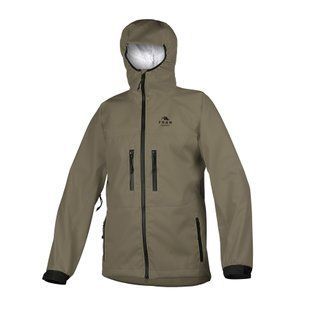
FRAM Membrane Jackets — Rain Protection for Running, Hiking, and Mountaineering
A membrane jacket is an outer protective layer for conditions where a regular windbreaker or Softshell is no longer enough. Its main purpose is to provide rain and wind protection while allowing water vapor generated during physical activity to escape.
This combination of waterproof performance and breathability makes membrane jackets an essential part of outdoor gear for trekking, mountain hiking, running, mountaineering, and other outdoor activities in changeable weather.
However, there is no single membrane jacket that is ideal for every activity. A lightweight running jacket and a protective mountaineering shell can differ significantly in construction, weight, durability, and level of weather protection.
What Is a Membrane Jacket and How Does It Work?
A membrane is a functional layer of material designed to create a barrier between your body and the external environment.
On the one hand, a waterproof jacket needs to prevent precipitation from getting inside. On the other, during physical activity it is important to allow water vapor to escape so that less moisture accumulates underneath your clothing.
That's why outdoor clothing needs to combine waterproof performance with a breathable membrane.
However, wearing a membrane doesn't mean you will always remain completely dry inside the jacket during intense exercise. If your body produces moisture faster than the material can transfer it outward, some moisture can still accumulate inside. That's why effective ventilation and a properly selected layering system are just as important as the characteristics of the membrane itself.
Membrane Jackets for Running
For running and trail running, minimal weight is one of the main priorities.
A jacket may spend a significant part of the route packed inside a running vest or small backpack, so it should take up as little space as possible.
Running generates a lot of heat and moisture, which makes a breathable membrane and effective heat management particularly important.
A running waterproof jacket should provide the necessary rain protection without unnecessary weight or bulk. Packability, freedom of movement, and minimalist construction are especially valuable for this type of jacket.
Hiking Membrane Jackets for Trekking and Multi-Day Trips
The requirements are somewhat different for trekking and multi-day routes.
A hiking membrane jacket may need to perform for hours in the rain, withstand regular contact with backpack straps, and work across a wide range of weather conditions. This makes the balance between weight, durability, waterproof performance, and comfort particularly important.
For mountain hiking, practical features include an adjustable hood, functional cuffs and pockets, as well as ventilation openings.
A membrane rain jacket becomes your outer storm-protection layer and can be worn over thermal underwear, fleece, or additional insulation depending on the temperature.
Membrane Jackets for Mountaineering and Climbing
In mountaineering, a membrane jacket needs to do more than simply protect against rain. It should perform in strong winds, snow, contact with climbing equipment, and during unrestricted active movement.
Material durability, freedom of movement, and functional construction become particularly important.
The hood should provide reliable protection for the head and face without restricting visibility. The cut should allow you to move your arms freely, while pockets should remain accessible when wearing a backpack or climbing harness.
For demanding mountain conditions, additional weight can be a reasonable trade-off when it provides the durability and protection required for the route.
Hi-Pora — a Membrane for Weather Protection
FRAM membrane jackets use Hi-Pora, a functional membrane designed to combine protection from external moisture with the ability to transfer water vapor away from the body.
Hi-Pora helps create a barrier against rain and wet snow while providing the vapor permeability needed during physical activity.
These two characteristics — waterproof performance and the membrane's ability to transfer water vapor — should always be considered together. Their specific performance can vary between models depending on the intended use of each jacket.
Membrane Jacket Construction: Important Features
The effectiveness of a membrane jacket depends on more than the fabric itself. Its construction also determines how well it performs in the rain and how comfortable it remains during active movement.
Adjustable hood. A well-designed hood helps protect your head, neck, and part of your face from rain and wind. It should move with your head and avoid restricting peripheral vision.
Adjustable cuffs. Cuffs allow you to close the sleeves more securely around your wrists, helping reduce the amount of water and cold air entering the jacket.
Underarm ventilation zippers. During intense physical activity, even a good membrane may not be able to transfer all the moisture your body produces. Underarm vents allow you to release excess heat quickly without removing the jacket.
Water-resistant zipper. A protective zipper helps reduce water penetration through one of the most vulnerable areas of the jacket's construction.
Seam protection is also important in a proper rain jacket, as needle holes can otherwise provide a route for water to penetrate the garment.
How to Choose a Membrane Jacket
Instead of looking for the highest possible specifications, start by considering how and where you plan to use the jacket.
1. Define your activity.
For running, prioritize low weight, packability, and breathability. For trekking, look for a balance of durability, weight, and weather protection. For mountaineering, reliability, freedom of movement, and a construction designed for challenging mountain conditions become especially important.
2. Consider the level of waterproofing you need.
The longer you expect to spend in precipitation and the more severe the weather, the more important waterproof performance becomes.
3. Don't overlook breathability.
If you're planning high-intensity activities, a breathable membrane can be just as important as protection from external moisture.
4. Pay attention to ventilation.
For long ascents and active trekking, underarm ventilation zippers can significantly expand the comfortable temperature range of the jacket.
5. Check the hood.
It should be easy to adjust, provide effective protection, and maintain good visibility. Its construction should also suit the activities for which the jacket is intended.
6. Consider the layers underneath.
In cold conditions, you may need to wear fleece or an insulating layer beneath your membrane jacket. Make sure the fit provides enough room for these layers without restricting movement.
7. Balance weight and durability.
The lightest jacket isn't always the best option. Minimal weight can be a priority for running, while additional durability may be more important than saving a few grams on long hiking trips and mountaineering routes.
How to Care for a Membrane Jacket
Membrane clothing requires regular care. Dirt, perspiration, and residues from cosmetic products can reduce the performance of the material, so the idea that membrane clothing should rarely or never be washed is a misconception.
Before washing, check the care instructions for the specific jacket, empty the pockets, and close the main zippers and fasteners.
Use a detergent suitable for membrane clothing. Avoid fabric softeners, bleach, and other products that may leave unwanted residues on functional fabrics.
Follow the washing temperature and cycle specified by the manufacturer. Different membranes and garment constructions may have different requirements, so there is no single washing program suitable for every jacket.
Rinse thoroughly. Detergent residue left in the fabric can negatively affect the functional performance of the garment.
Monitor the outer water-repellent treatment. Over time, this treatment can become less effective, causing the face fabric to absorb water more quickly even if the membrane itself remains waterproof. When this happens, the water-repellent treatment may need to be restored according to the care recommendations for the specific garment.
Do not iron the jacket, dry it at high temperatures, or use aggressive cleaning products unless these methods are explicitly permitted in the care instructions for that particular model.
FRAM Membrane Jackets for Rain and Challenging Weather
A membrane jacket is more than just a waterproof jacket. It is a functional part of a clothing system designed for active movement in challenging weather.
For running, you need a lightweight and packable model with good breathability. For trekking and mountain hiking, the priority is a balance between weight, durability, ventilation, and protection from precipitation. For mountaineering, construction reliability, freedom of movement, and the ability to perform in demanding mountain conditions become especially important.
When choosing a FRAM hiking membrane jacket with a Hi-Pora membrane, consider the whole system rather than a single specification: waterproof performance, breathability, ventilation, hood and cuff construction, weight, durability, and the conditions in which you plan to use it.
A properly selected waterproof jacket provides reliable rain protection while maintaining the freedom of movement and comfort you need to keep going when the route continues regardless of the weather.