Versatility is a key advantage when choosing gear, especially for those who carry their equipment and pay attention to weight. The pursuit of versatility is at the heart of the Softshell gear concept.
A well-known outdoor classic: multi-layer clothing. The first layer wicks moisture, the second provides warmth, and the third protects against weather conditions. These layers perform their functions well but require three separate garments.
One of the first to conceive the idea of combining all layers into a single piece was Scottish mountaineer Hamish Hamilton. During expeditions in the mountains of North America, he noticed that indigenous people managed with just a deerskin anorak worn directly on the body. The outer layer protected from precipitation, evaporated moisture, and was durable, while the inner wool layer absorbed sweat and kept them warm.
Thus, Hamish attempted to create a similar jacket using synthetic materials. Unlike the bulky "hardshell" storm jackets popular at the time, these new designs were called "softshell."
What is Softshell?
The confusion arises because no single manufacturer has patented a specific material for it. Instead, there are many technologies designed for different activities and weather conditions.
In general, Softshell garments are highly wind-resistant. However, if you develop a fabric that blocks wind effectively, it typically has poor breathability. On the other hand, high-performing waterproof membranes often have average vapor permeability.
Since softshells are primarily designed to protect against wind, they won't be perfectly waterproof and will provide only moderate warmth. But for certain temperatures and levels of precipitation, they work effectively. This makes Softshell clothing versatile across a wide range of conditions.
Types of Softshell Clothing for Different Conditions:
 Uninsulated SoftShell
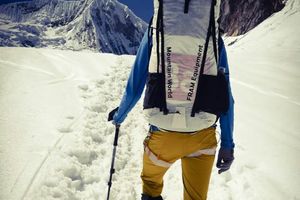
A dense outer layer without insulation. Examples include various running jackets and trekking pants. We manufacture our trekking pants based on this principle.
 Insulated SoftShell
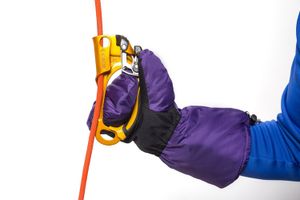
An insulated layer (e.g., fleece) is added to the outer elastic material. These are suitable for urban use and everyday wear, such as insulated softshell gloves.
 SoftShell with Windproof Membrane
Provides maximum wind protection but reduces breathability. Can be used with or without insulation. Examples include various ski, running, and cycling jackets.
 SoftShell with Waterproof Membrane
Features a membrane to repel water, often with taped seams. These may also include insulation. They are heavier but can replace a fleece layer plus a membrane jacket. This principle is used in our jackets.