



|
Quantity
|
Out of stock
|
||
|
|
|||
|
|
|||
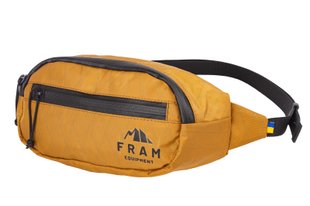
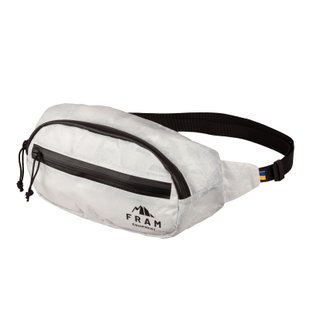
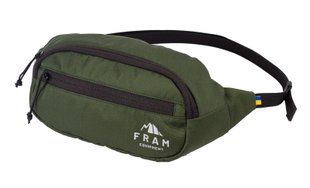
Hiking Waist Packs — Fast Access to Your Essential Gear
Whether you are hiking, traveling, or simply carrying your everyday essentials, some items should always be within easy reach: your phone, documents, wallet, keys, headphones, power bank, or a quick snack. A hiking waist pack is designed precisely for this purpose — a compact accessory that helps organize your essential gear and gives you quick access to it without taking off your backpack.
A modern outdoor waist pack is no longer just a city accessory. It is widely used for trekking, running, cycling, travel, and everyday EDC (Everyday Carry). Thanks to its low weight, comfortable fit, and well-organized storage, a waist pack can become one of the most versatile pieces of outdoor equipment you own.
Why Is a Waist Pack So Versatile?
The main advantage of a waist pack is quick access to the items you use most often.
On a hike, that might be a map, compass, phone, sunglasses, an energy bar, or a lightweight rain jacket. While traveling, it could be your passport, tickets, bank cards, and cash. In everyday life, it becomes a convenient EDC organizer.
Unlike a backpack, a waist pack does not need to be removed every time you need something. Most models can be worn around the waist, across the shoulder, or on the chest, making them practical for both active recreation and daily use.
That is why the same waist pack can accompany you in the city, on a trip, and on a mountain trail.
Where Are Hiking Waist Packs Used?
Trekking and Hiking
For trekking, a waist pack is especially useful when you frequently take off your backpack during breaks or when stopping along the trail.
It is a convenient place to carry:
-
a phone;
-
a GPS device or navigation tool;
-
a map;
-
a compass;
-
energy gels or snacks;
-
a compact first aid kit;
-
important documents.
For hiking, the most important features are low weight, sufficient capacity, and easy access to the contents even while walking.
Running
During running, a waist pack should remain stable on your body and avoid bouncing with every step.
For short training sessions, a minimalist model for a phone, keys, and a bank card is often enough.
For trail running or longer distances, a larger capacity may be useful for carrying energy gels, gloves, a buff, or a lightweight wind jacket.
Cycling
For cycling, a waist pack is a convenient alternative to a small backpack.
It allows you to keep tools, a pump, a spare tube, your phone, or documents easily accessible while leaving your back more open for ventilation.
Travel and EDC
When traveling, a waist pack is often used as a secure place for documents, money, a phone, and other valuables.
For EDC, the priorities are a versatile design, durable materials, and efficient internal organization.
Materials Used in Outdoor Waist Packs
The material affects the pack’s weight, durability, water resistance, and long-term performance.
The most common materials used in hiking waist packs are Cordura®, Dyneema®, and X-Pac®.
Cordura®
Cordura® is one of the most popular materials used in outdoor bags and packs.
Its main advantages are:
-
high abrasion resistance;
-
excellent durability;
-
long service life;
-
the ability to withstand intensive everyday and outdoor use.
Cordura® is an excellent choice for packs used for hiking, cycling, travel, or everyday EDC.
Dyneema®
Dyneema® makes it possible to build extremely lightweight packs with an exceptional strength-to-weight ratio.
Its advantages include:
-
minimal weight;
-
outstanding strength;
-
tear resistance;
-
very low water absorption.
These models are particularly attractive for hikers and travelers who want to reduce pack weight as much as possible.
X-Pac®
X-Pac® combines low weight, structural rigidity, and excellent water resistance.
Its key characteristics are:
-
excellent shape retention;
-
a distinctive laminated construction;
-
minimal water absorption;
-
additional protection for your gear from rain and snow.
X-Pac® is commonly used in modern technical outdoor waist packs.
What Should You Look for When Choosing a Waist Pack?
Number of Pockets
Internal organization has a significant impact on usability.
A single large compartment works well for a minimalist setup.
Multiple compartments make it easier to:
-
separate documents, cash, and a phone;
-
store keys independently;
-
find items quickly;
-
avoid scratching phone screens with other objects.
For travel and EDC, additional pockets can greatly improve convenience.
Strap Length and Adjustment
The strap should allow the pack to be worn in different ways:
-
around the waist;
-
across the shoulder;
-
on the chest.
A wide adjustment range makes the pack versatile enough to wear with anything from a lightweight T-shirt to a winter jacket.
The quality of the buckle and webbing is also worth checking.
Water Resistance
For active recreation, it is useful if the pack provides at least basic protection from rain.
This can be achieved through:
-
water-resistant fabrics;
-
laminated materials;
-
durable water-repellent (DWR) coatings;
-
water-resistant zippers.
It is important to remember that a water-resistant fabric does not necessarily mean that the entire pack is completely waterproof.
Velcro Panel for Patches
Some models include a Velcro panel on the exterior.
It allows you to:
-
attach patches;
-
personalize the pack;
-
add identification markers;
-
use tactical or organizational patches.
For many users, this is not only a stylistic feature but also a practical way to identify their gear quickly.
What Capacity Should You Choose?
Waist packs can generally be divided into several categories.
1–2 liters — minimalist EDC, city use, and short runs.
2–4 liters — travel, everyday use, and light trekking.
4–6 liters or more — hiking, cycling, trail running, and carrying a larger amount of gear.
The goal is not to choose the largest possible pack, but one that comfortably holds the items you actually carry without interfering with movement.
How to Choose a Hiking Waist Pack
Before choosing a waist pack, ask yourself a few simple questions.
Will you use it for travel, trekking, running, cycling, or everyday EDC?
What items do you plan to carry?
Is low weight, maximum durability, or enhanced water resistance the highest priority?
Do you need a Velcro panel for patches?
Will you wear it over winter clothing?
A well-chosen hiking waist pack gives you fast access to your essential gear, improves equipment organization, and makes active recreation, travel, and everyday use significantly more comfortable. That is why a waist pack remains one of the most practical and versatile accessories in modern outdoor gear.