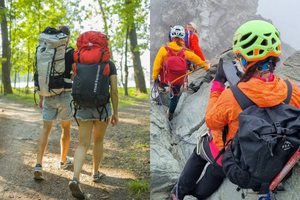
There are mistakes that seem like tiny details. But later, they suddenly cause back pain, joint issues, chafed shoulders, wet feet, and the frustrating thought: "Why did I even come here?"
As outdoor equipment manufacturers, we see these situations regularly. That is why we gathered the 8 main mistakes that are easy to avoid if you know about them in advance.
-
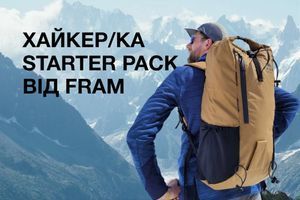
Choosing a backpack "with extra capacity" Backpack volume should be selected strictly based on the duration of the trip, the amount of gear, and route conditions. The logic of "I’ll take a larger one so everything definitely fits" often works against you. Free space quickly turns into additional items that you won’t need 90% of the time. Every extra kilogram puts direct stress on your spine and knees. Tip: First, define a clear list of necessary items, and only then choose the matching backpack volume. Also, pay attention to correct fit, suspension system comfort, and the backpack's own weight.
-
Brand-new, un-broken-in footwear New shoes + a hike = guaranteed blisters and a ruined route. Any trekking boots or trail shoes must be tested and broken in beforehand during city walks or short outings. It is equally important to select proper trekking socks for your conditions—regular cotton ones won't cut it.
-
Cotton t-shirts ("because it's natural and breathable") While it’s dry and warm, everything is great. But during active movement, cotton instantly absorbs moisture, takes a long time to dry, and stays wet against your body, causing hypothermia at the slightest gust of wind. For hiking, choose materials that efficiently wick moisture away from the skin and dry quickly. High-quality synthetic fabrics or merino wool work best for active outdoor use. Check out our Fram Equipment base layers and long-sleeves designed specifically for high loads.
-
Ignoring weight distribution It is not just about how much your backpack weighs, but how that weight is distributed inside. An improper center of gravity forces you to lean forward, quickly overloading your lower back and shoulders.
-
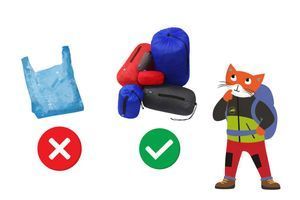
Place the heaviest items (tent, stove, food) closest to your back and in the middle section.
-
Place light items (sleeping bag, sleepwear) at the bottom.
-
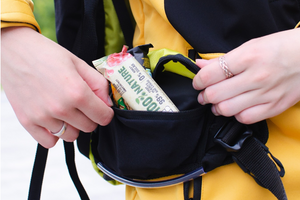
Keep small accessories and active wear on top or in external pockets.
-
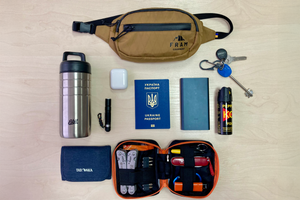
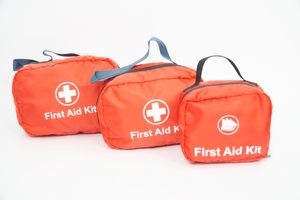
Poor item arrangement inside If it starts raining and you have to unpack your entire backpack to reach your rain jacket, you’ll be soaked before you find it—risking a cold. A raincoat, warm layer, first-aid kit, and water should always be easily accessible (in the top lid or side pockets). This saves time, stress, and helps maintain balance.
-
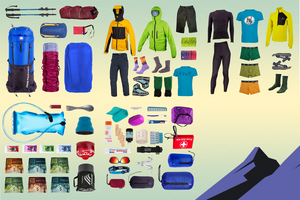
Buying gear randomly just to own everything The desire to assemble your own full kit right away—backpack, tent, sleeping bag, sleeping pad, stove—is understandable. However, thoughtful selection takes time, experience, and budget. Don't buy the first available gear just for the sake of ownership. For your first hikes, borrow items from friends or rent them. After a few trips, you will understand your exact needs and conditions.
-
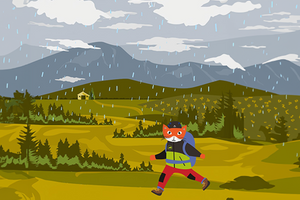
Disregarding weather and terrain features Gear for a light forest walk and a multi-day mountain trek are completely different things. Temperature, wind, precipitation, altitude, and the ability to dry clothes quickly must be factored in before you start. Good gear is not what has the most features, but what fits the specific conditions.
-
The "it'll be fine" approach The biggest mistake is setting out on a hike without proper preparation, hoping for good luck. Spoiler: it doesn't work. A hike is not an endurance test of discomfort. Professional gear won't make the route effortless, but it will:
-
Reduce unnecessary load on your joints and back.
-
Help control warmth and moisture.
-
Allow you to enjoy nature instead of fighting for survival.
Comfort on the trail is your safety Individually, each of these mistakes seems minor, but on the trail, they have a cumulative effect. Blisters, wet clothes, hypothermia, and a heavy backpack lead to exhaustion, injuries, and severe joint pain. Comfort during a hike is not a luxury or a whim; it is a key component of safety and health prevention.
Not sure which gear is right for you? Visit our website or drop us a message—we'll gladly help you choose the optimal setup for your needs and routes.