








|
Quantity
|
Out of stock
|
||
|
|
|||
|
|
|||
FRAM Ski Clothing — for Alpine Skiing, Freeride, and Ski Touring
Ski clothing needs to perform in conditions where cold, wind, and snow are combined with high levels of physical activity. While skiing, you need to stay warm on a lift or during a break, remain protected from wind on the descent, and avoid overheating when you're moving intensely.
That's why good ski apparel isn't simply about wearing the warmest possible jacket and pants. A layering system that can be adapted to the temperature, weather, and type of activity is much more effective.
The requirements for alpine skiing, freeride, and ski touring also differ. In some situations, protection from snow and wind is the priority. In others, breathability, low weight, and the ability to quickly add or remove insulation become much more important.
What Should Alpine Ski Clothing Be Like?
Good alpine ski clothing has several jobs to do at once: protect you from wind and snow, help retain body heat, and manage excess moisture during activity.
That's why it's practical to build your skiing kit around a layering system.
The base layer manages moisture next to the skin. The midlayer provides insulation. The outer layer protects against snow, wind, and precipitation.
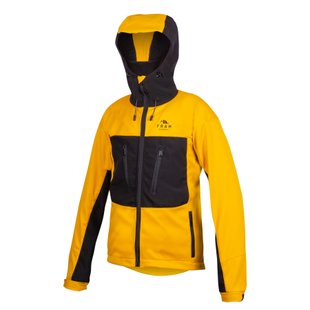
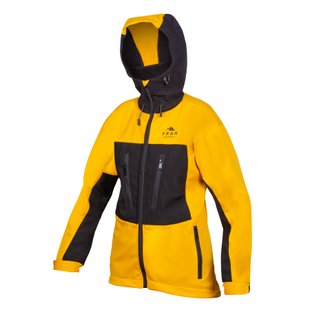
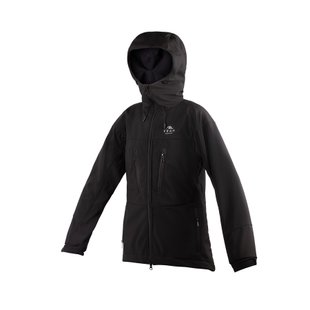
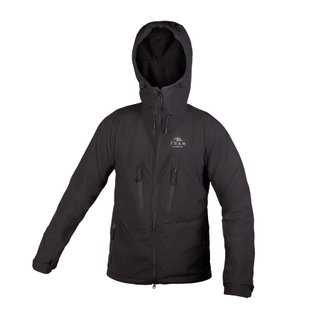
Depending on the weather and style of skiing, your outer layer may be a membrane or Softshell jacket. Insulated jackets and full-side-zip pants can provide additional warmth, while insulated or Softshell gloves protect your hands.
This approach allows you to adapt your winter sportswear to the conditions instead of relying on one extremely warm garment.
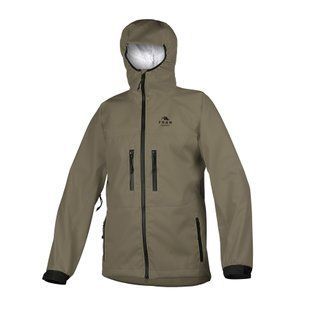
Membrane Jackets for Skiing and Freeride
A membrane is particularly useful in wet snow, strong winds, and changeable winter weather.
A membrane jacket acts as the protective outer layer. It prevents external moisture and wind from penetrating while allowing water vapor generated by your body to escape.
This is particularly important during active skiing because even in cold weather, your body produces a significant amount of heat and moisture.
For freeride, membrane protection becomes especially useful because of frequent contact with snow. Falling into deep powder, skiing during snowfall, and rapidly changing weather put much greater demands on the outer layer than an ordinary winter walk.
When choosing a membrane jacket, consider not only its waterproof performance but also breathability, hood construction, cuffs, ventilation, and whether the cut provides enough freedom of movement when you're wearing several layers underneath.
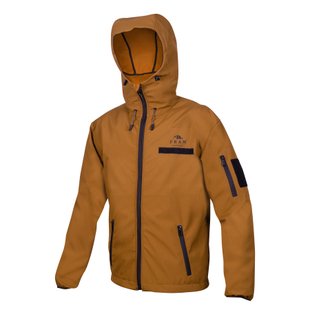
Softshell Jackets for Active Movement
Softshell works differently. Its main advantage is the balance between wind protection and high breathability.
That's why a Softshell jacket is particularly comfortable during active movement in dry or moderately wet winter conditions.
It can be used for skiing, ski touring, winter trekking, and other activities where your body produces a lot of heat and maximum waterproof protection isn't required all the time.
The stretch of Softshell fabrics also provides excellent freedom of movement.
However, Softshell shouldn't be considered a complete replacement for a membrane jacket. During prolonged wet snowfall or rain, a membrane will generally provide more reliable weather protection.
The choice therefore depends on the conditions: Softshell prioritizes breathability and comfort during active movement, while a membrane prioritizes protection in severe weather.
Membrane or Softshell for Ski Touring?
During ski touring, your clothing needs to perform in two very different modes.
On the ascent, your body produces a lot of heat, so clothing that is too warm or not breathable enough can quickly lead to overheating.
In these conditions, Softshell can work very well as your primary outer layer. It protects against wind while allowing excess heat to escape more efficiently during intense movement.
On exposed terrain, in strong winds, during snowfall, or when the weather deteriorates, you can add a membrane jacket over it.
This means you don't necessarily have to choose between Softshell and membrane clothing for ski touring. The two can complement each other as part of a versatile layering system.
Full-Side-Zip Pants — Quick Insulation Without Changing Clothes
During winter activities, your thermal needs can change not only because of the weather but also because your level of activity changes.
You may feel very warm during an ascent even when the temperature is well below freezing. Stop moving, however, and your body can begin losing heat quickly.
This is where insulated full-side-zip pants become particularly useful.
Their main advantage is the ability to quickly add an insulating layer over your regular pants without removing ski boots or other winter footwear.
Side zippers allow the pant legs to open widely, making it easy to add insulation exactly when you need it.
Full-Side-Zip Pants for Ski Touring
For ski touring, full-side-zip pants are particularly useful because high-intensity ascents constantly alternate with less active periods.
During the climb, additional insulation often isn't necessary. The pants can remain in your backpack instead of causing unnecessary overheating.
During a long break, at the summit, or before a cold descent, they can be quickly put on over your regular pants.
When intense movement begins again, the additional layer can be removed just as quickly.
This makes insulated full-side-zip pants useful not only as ski apparel, but also for winter mountaineering, climbing, and winter hiking.
Insulated Gloves for Cold Weather
Hands are particularly vulnerable to cold and wind, which makes properly selected gloves an important part of your winter clothing system.
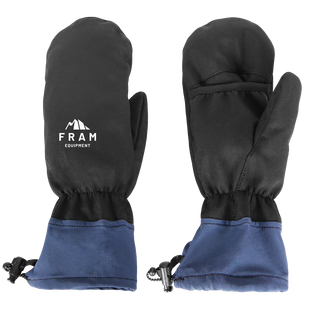
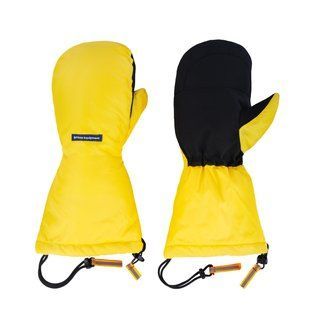
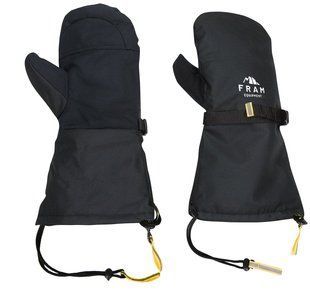
Insulated gloves are useful when warmth is the main priority: skiing in very low temperatures, sitting on lifts, taking long breaks, winter mountaineering, or spending time at altitude.
Insulation helps retain heat, while the outer material should protect your hands from wind and contact with snow.
At the same time, gloves shouldn't be so bulky that they make it difficult to handle equipment.
The right level of insulation therefore depends on the temperature, how long you'll be outside, and how much dexterity you need.
Softshell Gloves for Active Movement
During intense activity, gloves that are too warm can create the same problem as an overly insulated jacket: your hands overheat and become damp.
For these conditions, Softshell gloves can be a more practical choice.
They provide wind protection while remaining sufficiently breathable and allowing good finger mobility.
This makes them particularly useful for ski touring, winter trekking, active ascents, and other situations where you need to handle poles or equipment.
In demanding winter conditions, it can be practical to carry more than one pair: lighter Softshell gloves for active movement and insulated gloves for very cold weather, breaks, and lower-intensity sections.
Ski Clothing for Freeride
During freeride, protection from snow and wind becomes particularly important.
Unlike skiing on groomed slopes, freeriding involves much more frequent contact with deep snow. Your outer layer therefore needs to provide reliable moisture protection while allowing unrestricted movement.
A membrane jacket works well as the primary protective shell. The amount of insulation underneath can then be adjusted according to the temperature and the way you reach the top of your run.
If your freeride day includes significant uphill movement, your layering system may resemble a ski touring setup: breathable clothing for the ascent, with additional protection and insulation for the descent.
If most ascents are made using ski lifts, you'll generally need more consistent insulation throughout the day.
Ski Clothing for Resort Skiing
Traditional resort skiing involves constant alternation between active descents and relatively passive periods on ski lifts.
As a result, insulation often plays a greater role than it does during ski touring.
A membrane or Softshell jacket can serve as the outer layer depending on the weather, with fleece or another insulating layer underneath.
In very low temperatures, an insulated jacket and warm gloves become particularly important.
However, you still don't want to dress so warmly that you overheat on every descent. Even for resort skiing, being able to adjust your layering system is usually more practical than relying on a single extremely warm garment.
Ski Apparel for Winter Hiking
Many pieces of skiing equipment can also be successfully used for winter hiking.
Softshell jackets work well during active movement in freezing temperatures, membrane jackets provide additional protection against wind and snow, and insulated full-side-zip pants make it possible to quickly add warmth during breaks.
The same principle applies to gloves: lighter Softshell models are practical while moving, while insulated gloves provide more warmth during stops and in severe cold.
This makes many pieces of winter sportswear versatile enough to work across several different outdoor activities.
How to Choose Ski Clothing
Start by considering where and how you plan to ski.
For resort skiing, protection from wind and snow and sufficient insulation are important because active descents regularly alternate with time spent on lifts.
For freeride, waterproof protection, freedom of movement, and a reliable outer layer for frequent contact with snow become particularly important.
For ski touring, breathability, low weight, and the ability to quickly regulate insulation are the main priorities.
For winter hiking, look for a versatile layering system that can adapt to changing weather and different levels of physical activity.
Temperature matters too. Cold weather doesn't automatically mean you should choose the warmest possible clothing. During intense activity, excessive insulation can cause overheating and moisture accumulation.
Functional ski clothing should therefore do more than simply keep you warm — it should allow you to manage heat and moisture throughout the day.
FRAM Ski Clothing
FRAM ski clothing is designed for different types of winter activity — from alpine skiing and freeride to ski touring, winter hiking, and mountaineering.
Membrane jackets provide protection from snow, moisture, and strong winds. Softshell jackets combine wind resistance, stretch, and breathability for active movement.
Insulated full-side-zip pants allow you to quickly add thermal protection when your activity level drops, while insulated and Softshell gloves help you find the right balance between warmth, weather protection, and dexterity.
When choosing alpine ski clothing, ski apparel, and other winter sportswear, consider not only the temperature but also your activity level, precipitation, wind exposure, and how you'll be getting uphill. A well-designed layering system allows you to use membrane protection, Softshell, and insulation exactly when their properties are needed most.