


|
Quantity
|
Out of stock
|
||
|
|
|||
|
|
|||
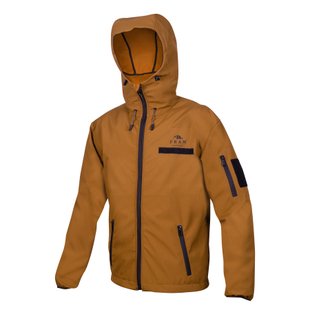
FRAM Softshell Jackets — Wind Protection and Comfort During Active Movement
Softshell hiking jackets are a versatile choice for hiking, trekking, travel, and other outdoor activities where you need to combine wind protection, moderate protection from precipitation, and good breathability.
Unlike a classic membrane jacket, Softshell is not designed primarily for maximum rain protection. Its main purpose is to provide comfort during active movement. It works particularly well in cool, windy, and changeable weather when you want to stay in one comfortable layer for as long as possible instead of constantly taking your jacket off and putting it back on as conditions change.
That's why Softshell has become a popular choice for mountain hiking, trekking, climbing, and many other outdoor activities.
What Is Softshell?
Softshell is not one specific fabric but an entire category of materials and clothing designed for active outdoor use.
The Softshell concept is based on balancing several important characteristics: wind protection, breathability, stretch, a certain degree of water resistance, and freedom of movement.
Instead of a highly weatherproof outer shell, you get an outdoor jacket that is better suited to prolonged physical activity.
This balance of properties is the key to understanding Softshell. Different Softshell jackets can perform very differently depending on the conditions and activities they are designed for.
Breathability or Waterproofing?
One of the main considerations when choosing a Softshell jacket is the balance between breathability and weather protection.
The general principle is simple: the more a fabric is designed to maximize protection against wind and precipitation, the harder it becomes to maintain very high breathability at the same time. Conversely, models designed for intense physical activity often prioritize the ability to release excess heat and moisture more effectively.
That's why there is no single "best" Softshell. There is a jacket with the right balance of characteristics for a particular activity.
Highly Breathable Softshell — for High-Intensity Activities
If you move quickly, gain elevation at a fast pace, or use your jacket for active trekking, breathability becomes a priority.
During physical activity, your body produces a significant amount of heat and perspiration. If the outer layer doesn't allow enough excess heat to escape, you can quickly become too warm and damp inside your clothing.
A more breathable Softshell helps maintain a more comfortable microclimate while you're moving. These trekking jackets are particularly suitable for fast hiking, active ascents, trekking, and other high-intensity activities.
The trade-off is somewhat less protection from strong wind and precipitation compared with more weather-resistant Softshell models.
More Protective Softshell — for Wind and Changeable Weather
Another type of Softshell places greater emphasis on wind protection and resistance to moisture.
Denser fabrics or constructions with a wind-resistant layer perform better on exposed ridges, mountain passes, and other locations where strong winds can quickly cool the body.
These jackets can handle light rain, drizzle, or wet snow and work well in changeable weather.
However, it's important to understand the difference between water resistance and full waterproofing. Most Softshell jackets are not designed to keep you dry through hours of heavy rain. If prolonged precipitation is expected, a separate membrane jacket is a better choice for reliable rain protection.
Where Are Softshell Jackets Used?
Softshell works particularly well when you're moving actively and the main environmental challenges are cool temperatures, wind, and occasional light precipitation.
Mountain hiking and trekking. A Softshell can serve as your primary outer layer while moving in cool weather. It protects against wind while remaining comfortable during long hours of hiking with a backpack.
Climbing and mountaineering. Stretchy fabrics, freedom of movement, and wind protection make Softshell practical for technical routes and active movement in the mountains.
Travel. In changeable weather, one Softshell jacket can cover several needs at once, providing protection from cool temperatures, wind, and light precipitation.
Outdoor activities. Cycling, walking, camping, and many other outdoor pursuits are also natural environments for Softshell clothing.
Thanks to this versatility, jackets for outdoor activities made from Softshell often get much more regular use than highly specialized storm shells.
Softshell or Membrane Jacket?
These two types of jackets shouldn't be considered interchangeable.
A membrane jacket is designed primarily to provide maximum protection from precipitation and strong winds. It's the layer you need when the weather becomes genuinely bad and staying dry is more important than achieving maximum breathability.
Softshell is designed primarily for active movement. It is generally more comfortable, stretchier, and better suited to conditions where full storm protection isn't necessary.
That's why on multi-day mountain hiking trips these two types of jackets can complement rather than compete with each other. You may spend most of the route moving in your Softshell while keeping a membrane jacket in your backpack for heavy rain or a sudden deterioration in the weather.
How to Choose a Softshell Jacket
To choose the right jacket for hiking, start by considering exactly how you plan to use it.
1. Consider the intensity of your activity.
For fast trekking, active ascents, and other high-intensity activities, choose a model that prioritizes breathability. For slower hiking and everyday use, a more protective Softshell may be the better option.
2. Consider how much wind you'll encounter.
If your routes frequently cross exposed ridges, mountain passes, or other windy terrain, wind protection should be one of your main priorities.
3. Think about precipitation.
If you mainly expect occasional light rain, drizzle, or wet snow, a Softshell may be sufficient. If prolonged heavy rain is likely, don't expect it to perform the job of a fully waterproof membrane jacket.
4. Consider the temperature.
A lightweight Softshell is suitable for active movement and relatively mild conditions. Heavier models can provide additional thermal comfort in cooler weather.
5. Check freedom of movement.
A good Softshell should not restrict movement through the arms or torso. This is especially important for trekking with poles, climbing, and mountaineering.
6. Consider your layering system.
If you plan to wear thermal underwear or fleece underneath, the fit should leave enough room for an additional layer without restricting your movement.
Which Softshell Is Right for You?
For fast trekking and active ascents — choose a lighter, more breathable model.
For windy routes, exposed ridges, and cool weather — choose a model with a stronger emphasis on wind protection.
For travel and everyday outdoor use — choose a versatile Softshell that balances protection, comfort, and breathability.
For routes where heavy or prolonged rain is possible — combine a Softshell with a membrane jacket as a separate storm-protection layer.
The key is not to look for a model with the highest possible performance in every category. Instead, identify which characteristics matter most for your particular activities.
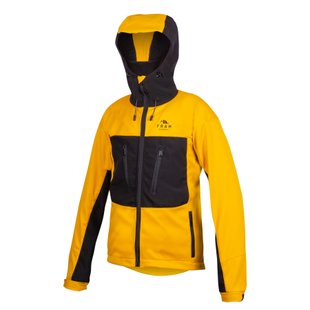
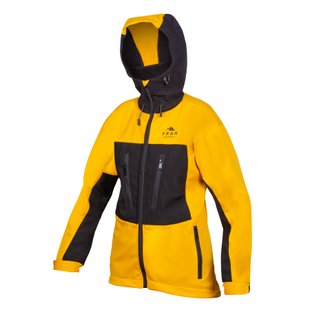
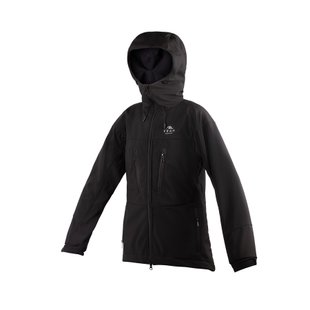
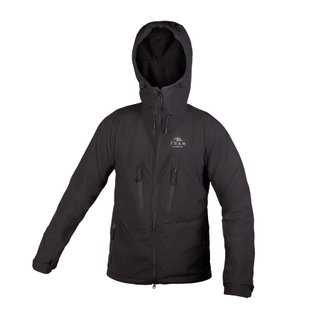
FRAM Softshell Jackets for Active Outdoor Use
FRAM Softshell outdoor jackets are a practical choice for people who need a balance between weather protection and comfort during movement.
On hikes and climbs, they help protect against wind and changeable weather. During trekking, they provide the necessary freedom of movement and breathability. For travel and everyday use, they combine the functionality of technical outdoor clothing with everyday versatility.
When choosing Softshell hiking jackets, first determine the balance you need between breathability, wind protection, and resistance to precipitation. This balance will determine how comfortable your jacket feels on the trail, in the mountains, and throughout your everyday outdoor adventures.