From April 1st to June 15th, Ukraine observes the "Season of Silence" — a crucial period when wild animals and birds need peace for breeding, nesting, and raising their young.
This is why Article 39 of the Law of Ukraine "On the Animal Kingdom" mandates the "Season of Silence." During this time, activities that can disturb wild animals, particularly by creating high noise levels and other human-induced pressures on natural ecosystems, are either prohibited or restricted.
What Happens in Nature During This Time?
Spring is the most critical period in the life cycle of most species: — Birds form pairs, build nests, lay eggs, and feed their chicks. — Mammals give birth to and nurse their young. — Amphibians and reptiles lay spawn and eggs. — Fishundergo their spawning season.
This is a time when even short-term stress can disrupt an entire reproductive cycle. Animals are exceptionally sensitive to any disturbance and often do not have the opportunity to produce a second litter or clutch within the same season.
Why is Silence Important?
Anthropogenic (human-made) noise: — Raises cortisol (stress hormone) levels in animals. — Alters behavior (forcing them to abandon nests, dens, and territories). — Reduces reproductive success. — Disrupts communication (especially in birds that cannot "out-shout" the noise).
In birds, for instance, even a single instance of severe stress can cause the clutch to cool down, leading to embryo death. In mammals, it frequently results in losing contact with their offspring.
What is Prohibited During the Season of Silence?
Any activity that generates noise or disturbs wildlife, including: — Loud music, fireworks, and gunfire. — Vehicle traffic (off-roading, ATVs/quad bikes). — Operating motorized boats. — Forestry work during the breeding season. — Construction, roadwork, and industrial activities. — Mass public events in natural areas. — Approaching nests, dens, and breeding grounds.
Separate restrictions apply to fishing — during the spawning season, only controlled fishing in strictly designated areas is permitted.
Why is This Regulated by Law?
Because the consequences of interfering with natural habitats during the breeding season are often invisible at first glance, yet they have a critical, long-term impact.
The greatest danger lies in the systemic nature of these harmful impacts. If such violations become chronic, reproductive success plummets, animals abandon their native territories, and species populations decline. Ultimately, this disrupts natural food webs and leads to the gradual degradation of entire ecosystems.
What Can We Do?
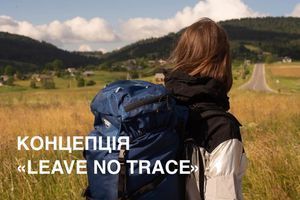
— Choose quiet recreation and avoid making noise. — Stay on marked trails and avoid destroying habitats. — Do not play music in nature or use loud devices. — Avoid disturbing wildlife, even if it is "just to get a closer look." — Do not leave trash behind, and never destroy nests, dens, or vegetation. — Explain to others why this period is critical and why the "season of silence" matters.
Sometimes, the most effective action is to do nothing extra.
For nature, silence is not a luxury — it is a vital condition for survival. Every action we take, especially during this period, matters deeply for the preservation of wildlife populations.
Don't stay silent about nature! Share this post so your friends and acquaintances also understand why silence in spring is a matter of life and death.