
UIAA DECLARATION ON HIKING, CLIMBING AND MOUNTAINEERING (2024) Approved by the UIAA General Assembly 2024 in Malta.
INTRODUCTION AND PURPOSE The UIAA considers that the principles laid out in this Declaration are the basic norms that all hikers, climbers, and mountaineers should follow.
The purpose of the new declaration is twofold:
-
To lay out the generally accepted norms for behaviour that the UIAA considers optimal. This includes the ethics and style of climbing, as well as environmental and social considerations.
-
To clarify best practices for climbers and mountaineers, particularly regarding the style of rock climbs and ascents of “alpine” peaks.
The world of mountain tourism has changed significantly since the adoption of the Tyrol Declaration in 2002. The development of sport and indoor climbing, commercial expeditions to major peaks, and the influence of the internet and social media have revolutionized access to information and shifted trends. One of the greatest challenges has been climate change, making sustainability a key issue for protecting ecosystems and the well-being of local communities.
ETHICS AND STYLE
Chapter 1: Honesty in Reporting * We adhere to the principles of transparency and truthfulness in reports regarding climbing style. Style represents the “rules of the game” that we accept voluntarily; without them, mountaineering as a discipline would cease to exist.
-
Honesty is the foundation for evaluating achievements. The use of digitally manipulated photos that alter reality is discouraged.
-
Mountaineering is not just about the summit photo. Every aspect of the experience, from planning to companionship, has intrinsic value.
-
Adventure routes should remain natural. Use removable protection whenever possible; bolts should be used only when necessary and in accordance with local traditions.
-
Have the strength to accept defeat. In mountaineering, there is no guaranteed result. The most valuable experience is often gained through accepting a high chance of failure.
-
Use social media responsibly to avoid devaluing the sport or harming the mountain environment.
Chapter 2: Respect for Different Styles * We accept the styles of others, even if they differ from our own.
-
While everyone has equal rights, not all styles command the same level of respect within the mountain community; this is often a cultural distinction.
-
We strive for a “light” alpine style that minimizes environmental impact, but we respect those who choose guided commercial ascents on 8,000-meter peaks.
Chapter 3: Respect for the Experience of Others * We do not harm the experience of others. This includes respecting the local climbing style.
-
Examples of harm: creating sport routes where "trad" climbing is the norm, using pegs/hooks where soft protection is traditional, or building infrastructure in wilderness areas.
-
Follow etiquette: let faster groups pass, do not make noise on the cliffs, and remove your gear in a timely manner.
-
Priority of movement: groups moving up have priority over those coming down (if it is safe to do so).
-
Do not damage the rock by chipping or adding holds.
-
Be considerate with names: consult with local communities to ensure that names of routes or peaks are not offensive.
BALANCING RISK, SUCCESS AND FAILURE
Chapter 4: Responsibility for Risk * Risk is an inherent part of any outdoor activity.
-
We must consider the consequences of our actions not only for ourselves but also for partners, rescue services, and our families.
-
Assess both subjective and objective hazards. Do not endanger others and warn of potential threats.
Chapter 5: Helping Others * Providing assistance to those in need is an absolute priority that stands above any sporting goals.
-
During any incident, ensure your own safety first, then help others.
-
If necessary, call rescue services immediately.
-
Be sensitive: do not create sensations out of accidents. In the event of finding a deceased person, act with respect for cultural norms.
-
Help local residents. An expedition doctor can often save the life of an acutely ill local person.
RIGHTS AND RESPONSIBILITIES
Chapter 6: Respect for the Natural and Human Environment * Protect bio- and geo-diversity. Mountaineering can cause soil erosion, rock damage, and pollution.
-
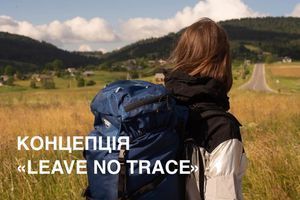
Travel and Camping: adhere to "Leave No Trace" principles and leave campsites undisturbed.
-
Avoidance of open fires: do not burn wood for cooking or heating; use modern stoves instead.
-
Litter: minimize packaging and carry all trash out with you, including human waste where practically possible.
-
Water: do not pollute sources; do not wash or swim in sensitive lakes or rivers.
-
Flora and Fauna: do not disturb or feed animals. Remember that pets are not part of the wilderness and can carry diseases.
-
Use as little chalk as possible, as it changes the pH of the rock.
Chapter 7: Climate Change * We recognize that due to global warming, mountains are becoming more dangerous: melting glaciers and permafrost degradation increase the risk of crevasses and rockfalls. This requires more careful route planning.
-
Sustainable Transport: choose low-emission options (public transport, carpooling, electric vehicles). Avoid air travel whenever possible.
-
Recycling/Conscious Gear Consumption: repair your gear, pass it on to others, or send it for specialized recycling to reduce waste; purchase sustainably manufactured products.
-
Support local reforestation initiatives and scientific climate research.
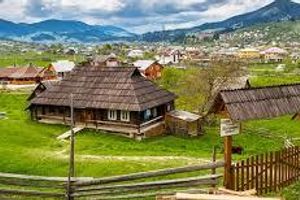
Chapter 8: Local Communities and Cultures * Follow the rules of the host country, even if they seem unclear to you.
-
Respect sacred mountains and do not offend the religious feelings of the hosts.
-
Support the local economy: buy regional products and use the services of local residents.
-
Support fair working conditions for local staff.
Chapter 9: Freedom of Access to Mountain Areas * We believe that freedom of access to mountains in a responsible manner is a fundamental right.
-
Respect access restrictions agreed upon with nature conservation organizations. Flexibility and dialogue are key to finding solutions.
-
Consider that popularizing certain areas may lead to degradation due to excessive numbers of visitors.
This text is a translation of the official document by the International Climbing and Mountaineering Federation (UIAA). The original Declaration is available at www.theuiaa.org.