In the mountains, the sun is much more aggressive than at lower altitudes. Even in cool weather, it is easy to get sunburned if you underestimate the effects of ultraviolet radiation.
It may feel cooler at higher elevations, but this is misleading. With every kilometer of ascent, the air becomes thinner, and ultraviolet radiation becomes stronger.
On average, UV levels increase by 10–12% for every 1000 meters of altitude. This means that at around 2000 meters, solar radiation can be roughly 25% stronger than at sea level, even when it doesn’t feel hot.
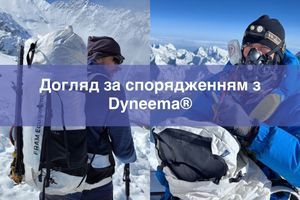
You can get sunburned even on cloudy days and in any season. In winter, the situation is even more intense because snow reflects up to 80% of UV radiation.
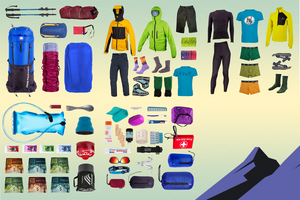
Sun Protection Checklist for Hiking
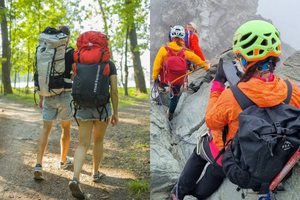
Synthetic long-sleeve clothing
Unlike cotton, synthetic fabrics do not retain moisture and effectively wick sweat away from the body.
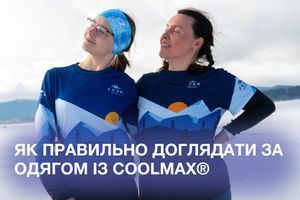
Long sleeves made from materials like COOLMAX® are breathable, quick-drying, and help prevent overheating during movement. Covered shoulders also protect the skin from direct sunlight.
Lightweight hiking pants
Shorts are comfortable but do not protect legs from UV radiation, scratches, or insects.
Light synthetic hiking pants are breathable, quick-drying, and protect the skin from direct sun exposure. Examples include Likia and Tatry models.
Multifunctional neck gaiter (buff)
An essential piece of mountain gear. A buff can protect the neck, parts of the face, and head from sun and wind.
Its lightweight synthetic fabric dries quickly and wicks moisture effectively. It can be worn in different ways — as a neck gaiter, head covering, or face protection.
It helps reduce the risk of sunburn and overheating on exposed skin.
Sunscreen (SPF)
Apply sunscreen to exposed skin before starting your hike and reapply every few hours.
Pay special attention to the face, ears, neck, and hands. Choose SPF 30–50 with UVA and UVB protection. Lightweight formulas that resist sweating are ideal for hiking.
Sunglasses
Sunglasses protect your eyes from UV radiation and reduce eye strain in bright conditions.
Look for models labeled UV400 or 100% UV protection. They should fit well and stay secure during movement.
Headwear
Caps, hats, or lightweight headbands help protect the head from overheating and direct sun exposure.
This reduces the risk of heat exhaustion during long hikes. Choose light, breathable materials and preferably light colors.
Hydration
Regular water intake is essential for maintaining performance and well-being in the mountains.
Even if you don’t feel very thirsty, your body loses fluids quickly due to sun exposure and physical activity. It is better to drink small amounts regularly throughout the hike.
Summary
Sun protection in the mountains is not a minor detail but a key part of safety. Proper clothing, sunscreen, sunglasses, and hydration significantly reduce the risk of sunburn and overheating.
Stay safe, plan wisely, and enjoy the mountains without unnecessary risks.
What do you usually take with you for sun protection on hikes?