









|
Quantity
|
Out of stock
|
||
|
|
|||
|
|
|||
FRAM Active Outdoor Clothing — Choosing Gear by Activity
Active outdoor clothing should be chosen not only according to the season and temperature, but primarily according to what you plan to do. The requirements for trekking, running, mountaineering, and skiing gear can be very different. For city wear and travel, on the other hand, versatile pieces that combine functionality and everyday comfort often work best.
Modern outdoor clothing is therefore a complete system of garments with different properties and purposes. Some activities require minimum weight and efficient moisture management, while others prioritize durability and freedom of movement. In demanding mountain environments, protection from wind, precipitation, and cold becomes essential.
The right approach to choosing clothing by activity helps you avoid carrying unnecessary gear while ensuring that you have proper protection when versatile clothing is no longer enough.
Hiking Clothing for Trekking and Mountain Trails
On a hike, clothing is often worn for many hours in changing weather conditions. Good hiking clothing should therefore combine comfort, low weight, durability, freedom of movement, and the ability to adapt to changing temperatures.
For summer trekking, a basic kit may consist of a lightweight T-shirt or long sleeve shirt combined with trekking pants or shorts. Fabrics should manage moisture effectively, dry quickly, and allow unrestricted movement over varied terrain.
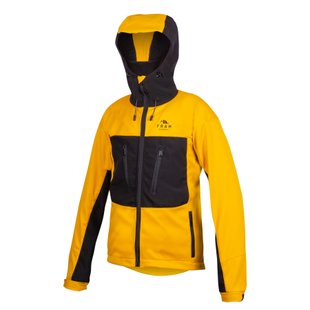
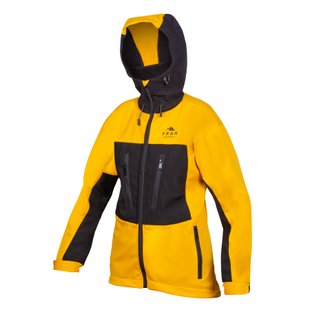
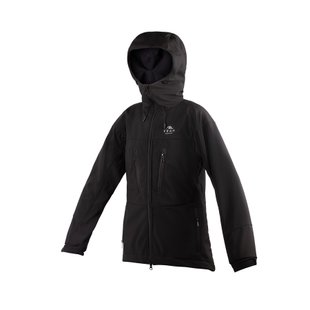
In cooler weather, an insulating layer and a Softshell jacket can be added. Softshell works particularly well during active movement because it combines wind protection with good breathability.
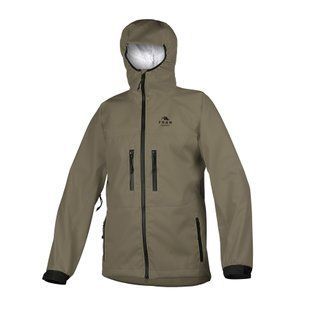
For prolonged rain, you'll need a separate waterproof layer, such as a poncho or membrane jacket. In more demanding conditions, waterproof membrane pants can complete the system.
On multi-day routes, outdoor clothing for hiking is best considered as a complete layering system. Each additional layer should complement the previous one rather than simply duplicate its function.
Clothing for Rock Climbing
For rock climbing, freedom of movement becomes the main priority. Clothing shouldn't prevent you from raising your leg high, taking a wide step, or moving naturally on technical terrain.
That's why climbing pants and shorts should use stretch fabrics and a cut designed for a wide range of movement.
Durability is also important. Clothing regularly comes into contact with rock while climbing, so extremely delicate ultralight materials may wear out quickly.
This type of technical clothing should also be compatible with a climbing harness. Waistbands, pockets, and other construction details shouldn't create uncomfortable pressure points underneath the harness or become inaccessible once you're wearing it.
In cool and windy conditions, a Softshell jacket can be an excellent outer layer: flexible enough for unrestricted movement, durable, and capable of providing wind protection.
Clothing for Running and Trail Running
Running, and trail running in particular, involves high-intensity physical activity, so the requirements for clothing are quite different from those of traditional hiking gear.
The main priorities are minimum weight, breathability, quick drying, and effective moisture management.
Technical T-shirts and long sleeves, lightweight shorts, or running tights work well for high-intensity activity. The fabric should move moisture away from the body and help prevent unnecessary overheating.
Even weather protection for trail running is usually designed to be as light as possible. A compact windbreaker can remain in your running pack and be quickly added on exposed, windy sections of the route.
For rain, lightweight membrane jackets are a practical choice. Breathability is particularly important alongside waterproof protection because during intense running, moisture accumulating inside your clothing can become almost as problematic as rain from the outside.
Technical Clothing for Mountaineering
In mountaineering, technical clothing has to perform across a particularly wide range of conditions. During a single ascent, intense movement may alternate with long periods of inactivity, while sunshine can quickly give way to snow, strong winds, and falling temperatures.
That's why mountaineering clothing is built around a layering system.
Thermal underwear manages moisture. A fleece or another midlayer provides insulation. Softshell protects against wind while remaining comfortable during active movement. A membrane jacket and pants provide protection in severe weather, while an insulated jacket adds warmth in low temperatures and during stops.
Functional construction becomes especially important in mountaineering: a hood that works with a helmet, pockets accessible while wearing a climbing harness, ventilation, adjustable cuffs, and sufficient freedom of movement can all make a significant difference.
Winter and high-altitude ascents may also require highly specialized garments that would rarely be necessary for ordinary summer trekking — for example, insulated full-side-zip pants that can be quickly put on over your other layers without removing your boots.
Clothing for Skiing and Freeriding
For skiing, clothing needs to protect against wind, snow, moisture, and low temperatures while avoiding excessive overheating during physical activity.
Membrane or other weather-resistant jackets and pants can form the outer layer, with insulation underneath adjusted according to the temperature and intensity of movement.
When skiing with lifts, periods of activity regularly alternate with periods of relatively little movement, so more insulation may be required. During freeriding with active uphill sections, the ability to regulate body temperature becomes more important.
That's why the warmest jacket isn't necessarily the best jacket. A system of several functional layers that can be combined according to conditions is often much more practical.
Clothing for Ski Touring
Ski touring is a particularly good example of why choosing clothing by activity matters.
During a long ascent, your body produces a lot of heat. Excessive insulation can quickly lead to overheating and moisture accumulation inside your clothing. Breathable base layers, lightweight wind protection, and only the necessary amount of insulation are therefore preferable on the way up.
At the summit, during a break, or before the descent, the situation changes dramatically: your activity level decreases, while the wind and cold remain.
This is where specialized outdoor clothing that can be quickly added over your existing layers becomes particularly useful.
An insulated jacket can stay in your backpack during the ascent and be put on only during stops. Insulated full-side-zip pants or shorts allow you to add warmth without removing your footwear or completely changing clothes.
This is a good example of gear that isn't particularly universal but performs one specific task extremely well.
Outdoor Clothing for City Wear and Travel
Not all functional outdoor clothing has to stay in the mountains. Many garments work equally well for active travel and everyday use in the city.
Versatility becomes especially valuable in these situations. Clothing should remain comfortable throughout the day, take up little space in your luggage, dry quickly after washing, and work for both urban walks and spontaneous trips into nature.
T-shirts, long sleeves, fleece jackets, lightweight trekking pants, shorts, and Softshell jackets can easily transition between outdoor and everyday wardrobes.
This type of active outdoor clothing is particularly practical for travel, where one garment can serve several purposes and help reduce the amount of luggage you need to carry.
Summer Hiking and Outdoor Clothing
During the warmer months, the main purpose of your clothing is to help prevent overheating and manage excess moisture efficiently.
Summer hiking clothing should therefore be lightweight, breathable, and quick-drying.
For hiking, this might mean a T-shirt or lightweight long sleeve combined with thin trekking pants or shorts. For trail running, choose the lightest functional garments suitable for the conditions. For climbing, stretch and abrasion resistance become more important.
But "summer clothing" doesn't mean you can leave all your warm layers at home.
In the mountains, temperature depends not only on the season but also on altitude, time of day, and weather. Even on a summer hike, it's worth carrying an insulating layer and rain protection.
Winter Hiking and Outdoor Clothing
In winter, the challenge changes: you need to retain body heat without overheating during active movement.
That's why winter outdoor clothing for hiking works best as a layering system rather than as one extremely warm garment.
The base layer manages moisture. The midlayer provides insulation. Softshell or another breathable outer layer works during active movement. A membrane shell provides protection from precipitation and strong winds. Additional insulation is added in severe cold or during stops.
If you put on every insulating layer before beginning an intense ascent, you can quickly overheat and soak your inner layers with perspiration. Once you stop moving, that same moisture can accelerate heat loss.
A good winter clothing system therefore allows constant adjustment: remove unnecessary insulation while moving and quickly add it again during stops.
Versatile Outdoor Clothing: When One Garment Works for Different Activities
You don't necessarily need a separate wardrobe for every type of outdoor activity. Many garments can work successfully across very different scenarios.
A Softshell jacket, for example, can be used for trekking, rock climbing, mountaineering, ski touring, travel, and even in the city. Only its role within the overall clothing system changes.
A technical T-shirt can work for hiking, running, climbing, and travel.
Trekking pants can be used for hiking, easier mountain ascents, active travel, and everyday outdoor activities.
Fleece is another highly versatile piece that can function as an insulating layer in almost any outdoor clothing system.
These versatile garments form the foundation of an outdoor wardrobe and allow you to adapt it to different activities without purchasing specialized equipment for every possible situation.
When Do You Need Specialized Technical Clothing?
The more demanding the conditions become, the more important specialized technical clothing becomes.
Insulated full-side-zip pants are unlikely to be necessary for an ordinary summer hike. During a winter or high-altitude ascent, however, the ability to quickly add insulation over your regular pants can become a significant functional advantage.
The same type of insulated pants works well for ski touring, where intensive ascents alternate with cold stops and descents.
A lightweight membrane running jacket may perform perfectly during trail running but lack the durability and construction features required for demanding mountaineering.
Conversely, a durable mountaineering shell with numerous adjustment features may be unnecessarily heavy for a short run.
Specialized gear becomes useful when the conditions create such specific requirements that a versatile garment would involve too many compromises.
How to Choose Clothing for Outdoor Activities
The right choice of clothing by activity starts not with a particular jacket or pair of pants, but with an analysis of the conditions you expect to encounter.
For trekking and hiking, look for a balance of weight, durability, quick-drying performance, weather protection, and all-day comfort.
For running and trail running, prioritize low weight, ventilation, moisture management, and packability.
For rock climbing, focus on stretch, freedom of movement, abrasion resistance, and compatibility with a climbing harness.
For mountaineering, reliability, severe-weather protection, functionality, and a complete layering system become especially important.
For skiing and freeriding, prioritize protection from snow, wind, and moisture together with the ability to adjust insulation.
For ski touring, look for a balance between high breathability during ascents and the ability to quickly add insulation during stops and before descents.
For city wear and travel, versatility, comfort, low weight, easy care, and the ability to use the same garment in different situations are often the most useful qualities.
FRAM Active Outdoor Clothing
FRAM active outdoor clothing covers a wide range of activities — from city wear, travel, and summer trekking to running, rock climbing, winter hiking, mountaineering, skiing, freeriding, and ski touring.
Versatile outdoor clothing — including T-shirts, long sleeves, fleece jackets, trekking pants, and Softshell jackets — can work across several activities and form the foundation of a functional outdoor wardrobe.
Specialized technical clothing should be added when specific conditions require it: ultralight and highly breathable garments for running, membrane protection for severe weather, and insulated jackets or full-side-zip pants for winter and high-altitude routes.
When choosing hiking clothing or gear for any other outdoor activity, don't focus only on the season or temperature. Consider the intensity of movement, duration of the route, terrain, possible precipitation, and wind exposure. Choosing clothing according to the activity allows you to build a system in which every garment has a clear purpose — from a lightweight T-shirt for summer trekking to specialized insulation for a winter ascent.