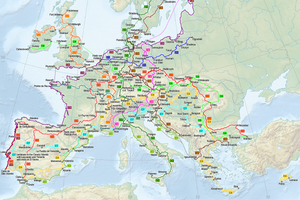
In 2026, Ukraine took another important step toward integration into the European cultural space by joining the network of the Way of St. James (Camino de Santiago) pilgrimage routes with a new route.
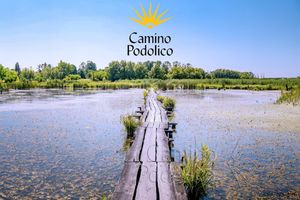
The new Ukrainian route was named Camino Ruteno ("Ruthenian Way") and became an extension of the already well-known Camino Podolico, which runs through the Podillia region. The new route connects the historic lands of Galicia and provides Ukrainians and visitors with an opportunity to begin their own journey to Santiago de Compostela directly from Ukraine.
History and Significance of the Route
The Way of St. James is one of the most famous pilgrimage routes in the world. Its final destination is Santiago de Compostela in Spain, where, according to Christian tradition, the Apostle James is buried. For centuries, millions of pilgrims have walked this route, and today it combines spiritual, cultural, and tourism-related aspects of travel.
The idea of creating a Ukrainian branch of the route emerged as a logical continuation of the development of the Camino network in Ukraine following the successful launch of Camino Podolico. In April 2026, during an international forum in Vinnytsia, a memorandum of cooperation was signed between Ukrainian communities and the European Federation of the Ways of St. James. In May 2026, Camino Ruteno officially became part of the European network of St. James routes.
Geography of the Route
Camino Ruteno passes through three regions of Western Ukraine: Ternopil, Ivano-Frankivsk, and Lviv oblasts. The route goes through the historic princely cities of Galicia: Chortkiv, Halych, Zvenyhorod, and Lviv. The total length of the route is approximately 355–367 kilometers, depending on particular sections and branches.
Of particular significance is the fact that the route partially recreates ancient medieval trade and pilgrimage roads of Rus', including the legendary Via Regia. Archaeological discoveries of St. James scallop shells near Zvenyhorod confirm the historical links between these territories and broader European pilgrimage traditions.
Cultural and Tourism Significance
Camino Ruteno has the potential to become not only a religious route but also a powerful tool for the development of cultural tourism. It brings together numerous historical monuments, sacred sites, and natural landscapes of Galicia. For local communities, it represents an opportunity to attract visitors, support small businesses, create new services for travelers, and promote the region's cultural heritage.
The route development plan includes official marking with the symbols of the Way of St. James, the creation of digital platforms, hospitality databases, and information resources for pilgrims.
Social Role of the Route
In addition to its tourism function, Camino Ruteno is viewed as a tool for psychological support and rehabilitation. In the Lviv region, certain sections of the route are planned to be used within the framework of the "Therapy Through Walking" program aimed at supporting military personnel, veterans, and their families. Long-distance walking contributes to psychological recovery, stress reduction, and improved emotional well-being.
So, Camino Ruteno is an important example of the combination of historical heritage, spiritual traditions, and modern tourism development. The new route opens the way for Ukraine's broader integration into the European network of cultural routes, contributes to regional development, and creates new opportunities for domestic and international tourism. Thanks to its unique blend of history, culture, spirituality, and the natural beauty of Galicia, Camino Ruteno has every opportunity to become one of the most attractive pilgrimage routes in Eastern Europe.