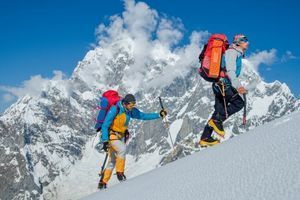
Via ferrata (Italian for “iron path”) — is a type of outdoor activity that combines hiking and rock climbing.
These routes follow rocky terrain and are equipped with steel cables, ladders, metal rungs, and suspension bridges that help participants safely navigate challenging sections.
It is a great option for those who want to experience height, adventure, and adrenaline without prior climbing experience. With proper safety equipment and a via ferrata set, even beginners can safely complete routes that would otherwise be accessible only to experienced climbers.
A Brief History
Via ferratas have military origins. During World War I, soldiers in the Dolomites built protected routes through the mountains to move between positions, transport supplies, and evacuate the wounded.
After the war, these routes were restored and adapted for recreational use. During the second half of the 20th century, via ferratas became increasingly popular throughout the Alps. Safety standards, difficulty grading systems, and specialized equipment were gradually developed.
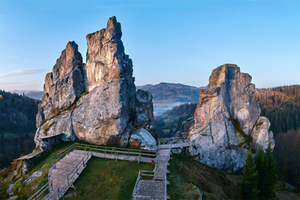
Today, via ferrata is a well-established branch of mountain tourism practiced around the world, from Europe to Canada and Asia. In recent years, new routes have also appeared in Ukraine.
Types of Routes
Via ferratas vary significantly in difficulty, length, and terrain.
Some routes are short and beginner-friendly, featuring gentle terrain and limited exposure. Others include long vertical walls, suspension bridges, and significant elevation gain, requiring greater physical fitness and endurance.
Routes can also differ in landscape, ranging from mountain ranges and canyons to purpose-built climbing areas near urban centers.
Difficulty Grades
Several grading systems are used worldwide, including Austrian, Italian, French, and two German systems developed by Hüsler and Werner.
The most commonly used is the Austrian grading scale, which ranges from A to E. Intermediate grades such as B/C or C/D may also be used.
A — Easy
Mostly walking with minimal climbing. Exposure is limited, and there are plenty of handholds and footholds. Ideal for beginners and first-time via ferrata participants.
B — Moderate
A mix of easy and steeper sections. Long ladders or series of ladders may appear. Participants need to use their hands more actively while moving along the route.
C — Difficult
Features sustained vertical or near-vertical sections. Holds become smaller and less frequent, requiring strength, endurance, and confidence at height.
D — Very Difficult
Predominantly vertical and technical terrain with limited artificial aids. In many sections, the safety cable is the main support. Suitable for experienced and physically fit participants.
E — Extreme
The highest level of difficulty. Routes include long overhanging or extremely steep sections with high physical demands and minimal assistance. Recommended only for highly experienced and well-trained climbers.
Why Try Via Ferrata?
Via ferrata offers much more than just a mountain hike.
Spectacular Views
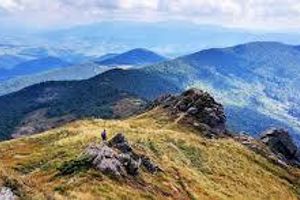
These routes often lead to places inaccessible by ordinary hiking trails, including exposed ledges, ridges, and breathtaking viewpoints.
A New Adventure
Via ferrata allows you to step beyond traditional hiking. It combines movement on rock, exposure, and challenge without requiring advanced climbing skills.
Beginner-Friendly
It is one of the best ways to experience vertical terrain safely. Thanks to fixed protection and safety equipment, newcomers can confidently explore the world of rock and height.
A Different Physical Challenge
Unlike regular hiking, via ferrata engages not only your legs but also your arms, balance, coordination, and body control.
Adventure with a High Level of Safety
You experience the excitement of exposure and height while remaining continuously secured. This balance between adrenaline and safety is one of the reasons for the activity’s growing popularity.
Have you ever completed a via ferrata route? Share your favorite routes in the comments. We’ll later create a separate guide featuring some of the most interesting via ferratas in Ukraine and around the world.