- Masha, when did you realize that mountaineering was something you wanted to do for the rest of your life?
- I think the conscious decision came after reaching the summit of Sella in the Caucasus. It was the third week of our expedition, and the first two had been harder for me than all the previous trials of my life combined. But during the third week, a sense of relief finally came—maybe I had finally acclimatized. I started to feel the rocks beneath my feet and the nature around me, and I realized I couldn't live without it anymore. And then we set off for Sella, and when we reached the summit ridge, I realized it could get even tougher. But it was just like in the movies—exactly as I had pictured heroic mountaineers battling themselves and the elements. And I fought, and I made it to the summit. Not without the help of my teammates, of course. That feeling of victory over yourself—nothing in life can replace it. At least, I haven't found a substitute yet.
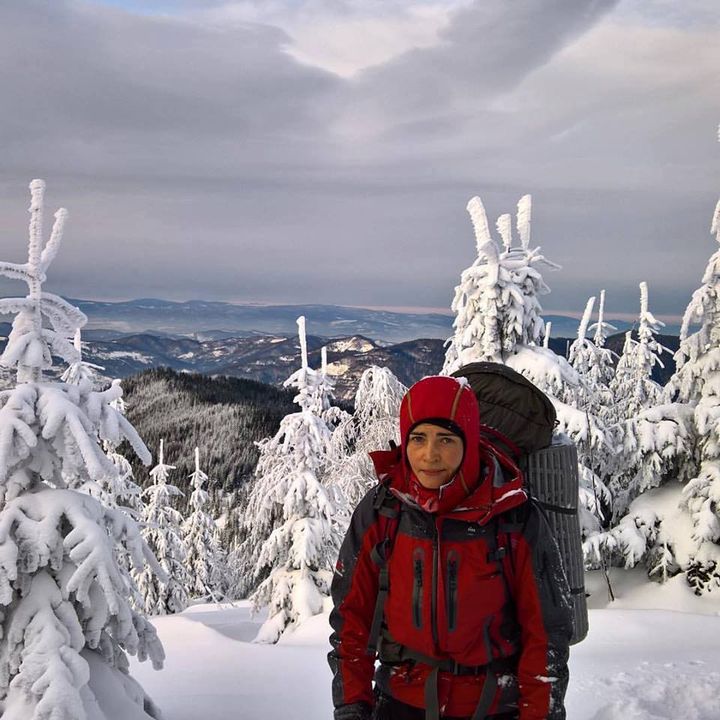
- You are currently considered the strongest female high-altitude climber in Ukraine. When did you realize you wanted to focus specifically on high-altitude mountaineering?
- I don't consider myself the strongest at anything because I don't like comparing myself to others. I just do what brings me joy and makes me happy. But when I joined the Kyiv mountaineering club, I didn't even imagine there was any other kind of mountaineering besides hiking high up in the mountains across snow-covered peaks.
As it turned out, technical climbing existed too—which ended up being pure torment in Crimea! I am still afraid of rock walls. Of course, I trained hard, because fear motivates me like nothing else, I suppose. But on rocks, the tension always outweighs the pleasure. Walking in crampons on morning firn, on the other hand—no matter how steep the incline—is absolute bliss.
- What is the hardest part of climbing a mountain for you?
- Somewhere I heard the phrase that the hardest thing is making peace with yourself. I realized that's exactly how it is for me. Every time it gets tough, I have to negotiate with myself, to explain why I am enduring this and why I need it. Sometimes, even the memories of previously conquered peaks don't help much.
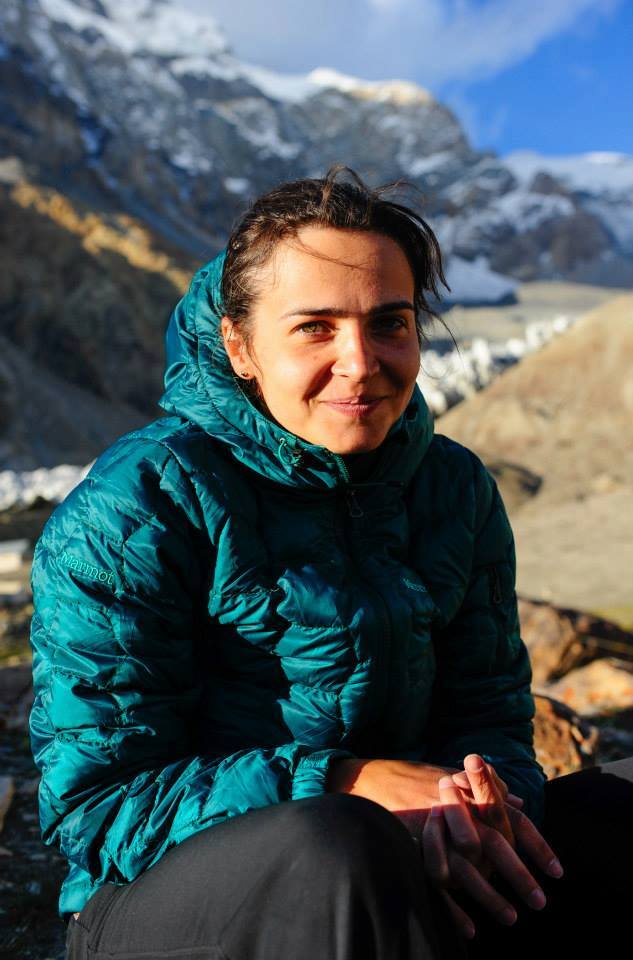
- Who do you usually climb with—guys or girls? How is the workload distributed on the mountain?
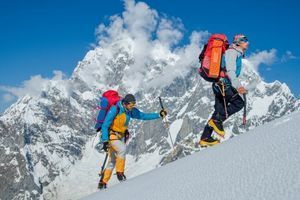
- As it happened, almost all of my mountain partners are men. For me, especially when surrounded by strong men, it's very important not to be the weak link. So naturally, I make sure the work is split equally. I carry almost as much weight as the guys do, and I take my turn leading. And of course, the guys wouldn't be the knights they are to me if they didn't do just a little bit more than I do—carrying slightly heavier packs or breaking trail through deep snow a bit longer.
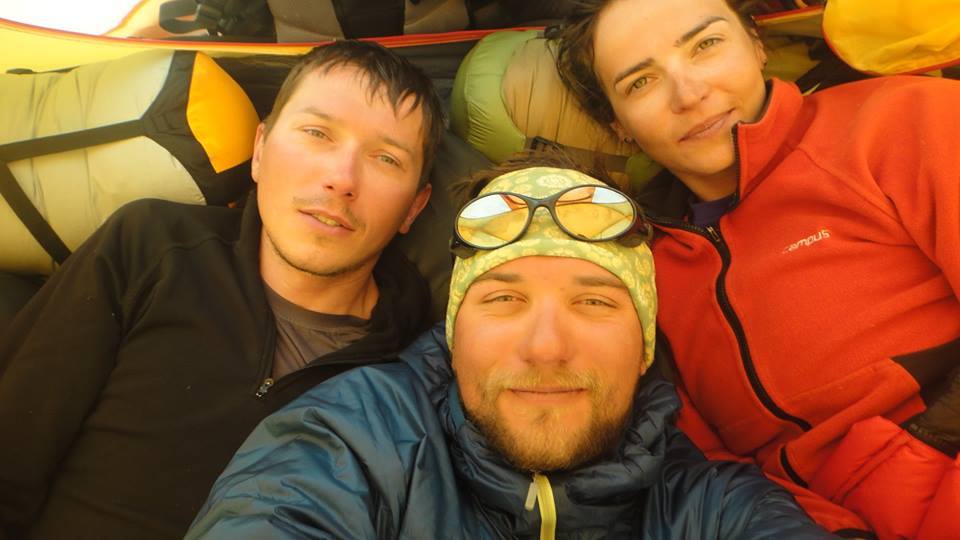
- Not long ago, you became a guide for the "Kuluar" team. Where can people go with Maria Koval in the near future?
- At the moment, my responsibilities at "Kuluar" involve helping people prepare for their treks—consulting, sharing my experience, and managing trip launches. In the future, I will be guiding both as an assistant guide and independently. However, there is no set schedule just yet.
- What advice would you give to girls taking their first steps in mountaineering?
- Train hard, have a clear goal, and know why you are doing it. And most importantly—stay true to yourself and embrace being a woman, no matter what.