Ultra™: The Material That Is Changing the Way We Think About Backpacks
Just ten years ago, most hiking backpacks were made from nylon fabrics of various weights and densities. These materials were durable and time-tested, but they had one significant drawback — weight.
In the worlds of trekking and mountaineering, there has long been a simple truth: the lighter your backpack, the more energy you have left for the trail.
The desire to create a material that would be lighter, stronger, and more resistant to moisture led to the development of Ultra™.
Where Did Ultra™ Come From?
Ultra™ was developed by Challenge Sailcloth, an American manufacturer with decades of experience producing fabrics for the sailing industry.
For sails and yachts, weight is critical. Every extra gram affects speed and performance. As a result, the company continuously experimented with advanced fibers and composite materials.
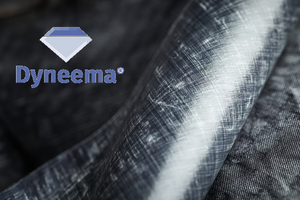
During this process, engineers turned their attention to UHMWPE (Ultra High Molecular Weight Polyethylene), an ultra-strong fiber already used in aerospace applications, the marine industry, and personal protective equipment.

The result was the Ultra™ series — a family of materials that quickly expanded beyond sailing and found a place in the world of outdoor gear.
Why Did Everyone Start Talking About Ultra™?
If you look at the evolution of the outdoor industry over the past decade, one trend stands out.
Backpackers and hikers have become increasingly focused on reducing pack weight. This gave rise to ultralight hiking, where people intentionally minimize the weight of their gear without sacrificing safety or comfort.
This is exactly where Ultra™ proved to be an almost perfect solution.
The material allowed manufacturers to create backpacks that weigh less than traditional models while maintaining exceptional durability and performance.
Within just a few years, Ultra™ was adopted by dozens of leading outdoor brands around the world.
What Makes Ultra™ Special?
At the core of Ultra™ are UHMWPE fibers (Ultra High Molecular Weight Polyethylene), one of the strongest materials currently used in textile manufacturing.
Its key advantage lies in its remarkable strength-to-weight ratio.
For hikers, this means one simple thing: a backpack can be lighter without becoming less reliable.
That is why Ultra™ performs exceptionally well when exposed to:
-
prolonged abrasion against rocks and rough surfaces;
-
continuous heavy loads;
-
multiple seasons of intensive use;
-
challenging weather conditions.
A Material for Those Who Go Further
Ultra™ was not designed for everyday city backpacks or short walks.
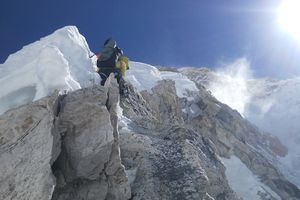
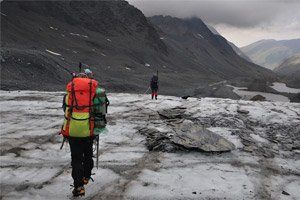
Its natural environment is multi-day trekking, long-distance hiking, mountain routes, and expeditions — situations where gear is used every day and comfort depends on reliability.
That is why today Ultra™ can be found in the equipment of hikers, trail runners, mountaineers, and adventurers around the world.
Why Did We Choose Ultra™?
Designing a hiking backpack is always a matter of balancing weight, durability, and longevity.
Ultra™ allows us to come remarkably close to achieving that balance.
That is why we use this material in our Guide Ultra 30L and OSH Ultra 85L backpacks.
For us, Ultra™ makes it possible to build backpacks that stay lightweight on the trail while remaining capable of handling serious loads and years of demanding use.